Ready for the future thanks to life and future skills
Content of this page
Developing attitudes and values
Children and young people live in a world full of challenges. Constantly confronted with new technologies, conflicts, changing labour markets, and environmental and political changes, they need teaching that not only promotes their cognitive skills, but also helps them to develop attitudes and values. It’s about being open, learning new things, making smart choices and getting involved in the community.
The Department for International Projects in Education at PH Zurich bases its work in the area of life skills on the frameworks of the World Health Organization (WHO) and the Organization for Economic Co-operation and Development (OECD).
Continuing education, materials and programmes
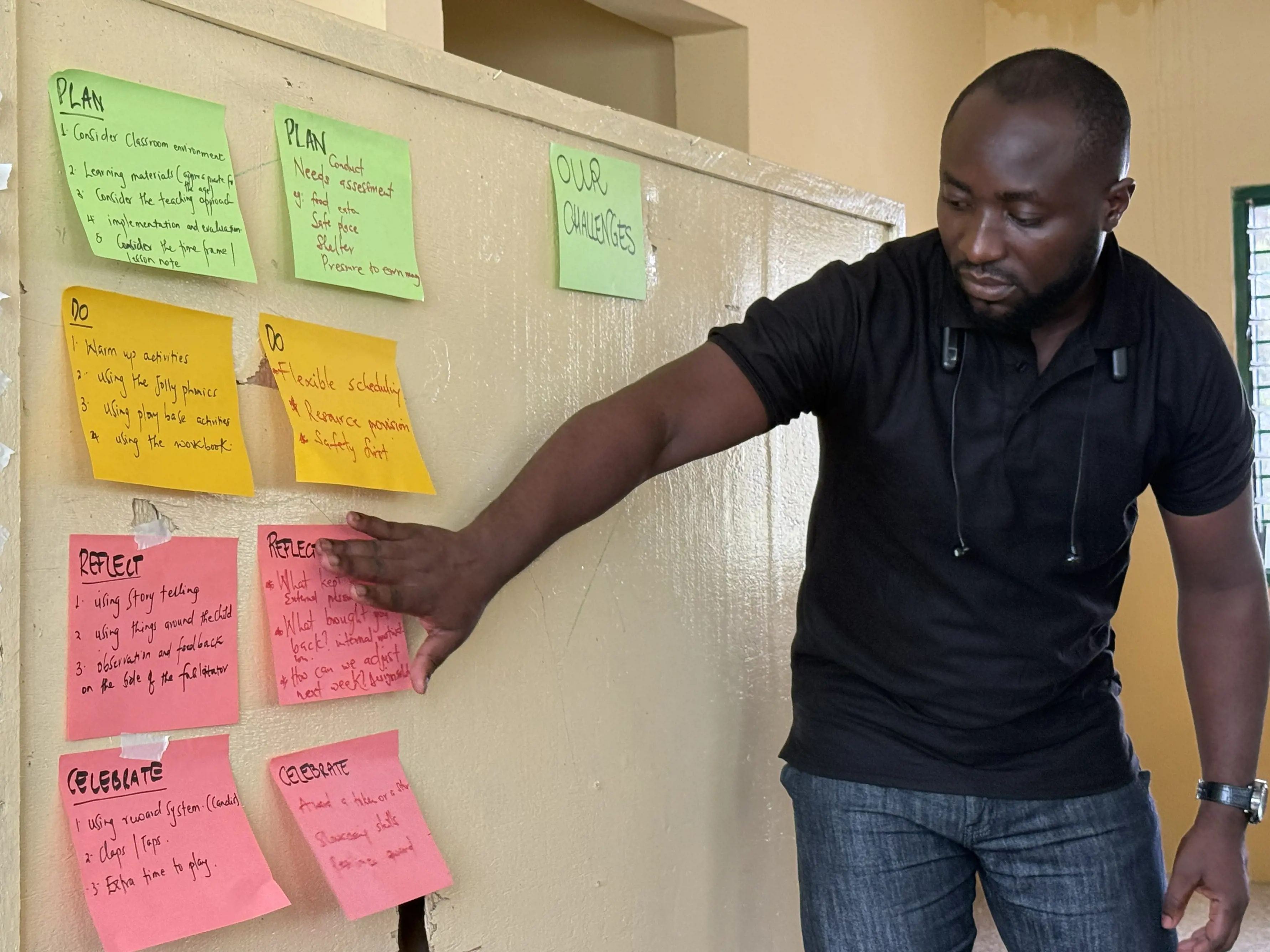
The topic of life skills is receiving an increasing amount of attention in Southeastern Europe. The Department for International Projects in Education provides continuing education on teaching life skills and develops teaching materials in many countries in this area. The continuing education programmes are aimed at teachers, lecturers and NGO staff.
The teaching materials on the topic are modular, which means that they can be adapted to a new target group or a different curriculum as needed. They are available in several languages.
For children, adolescents and young adults from refugee backgrounds, PH Zurich has developed digital programmes that can be taken both online and offline.
News

Services
- Tailored educational opportunities for international target groups
- Development and introduction of teaching materials
Projects
Publications and teaching materials
Marruncheddu, Sabrina and Wiltrud Weidinger (2016) Life skills education as a means of empowerment for teachers and students: A case study from Romania.
In: ICERI Conference Proceedings, Seville.
Weidinger, Wiltrud (2015) Promoting self-competences and life skills of Roma children – research-based development of an inclusive education programme through pedagogical and didactical key factors.
ICERI Conference Proceedings 2015. ICERI.
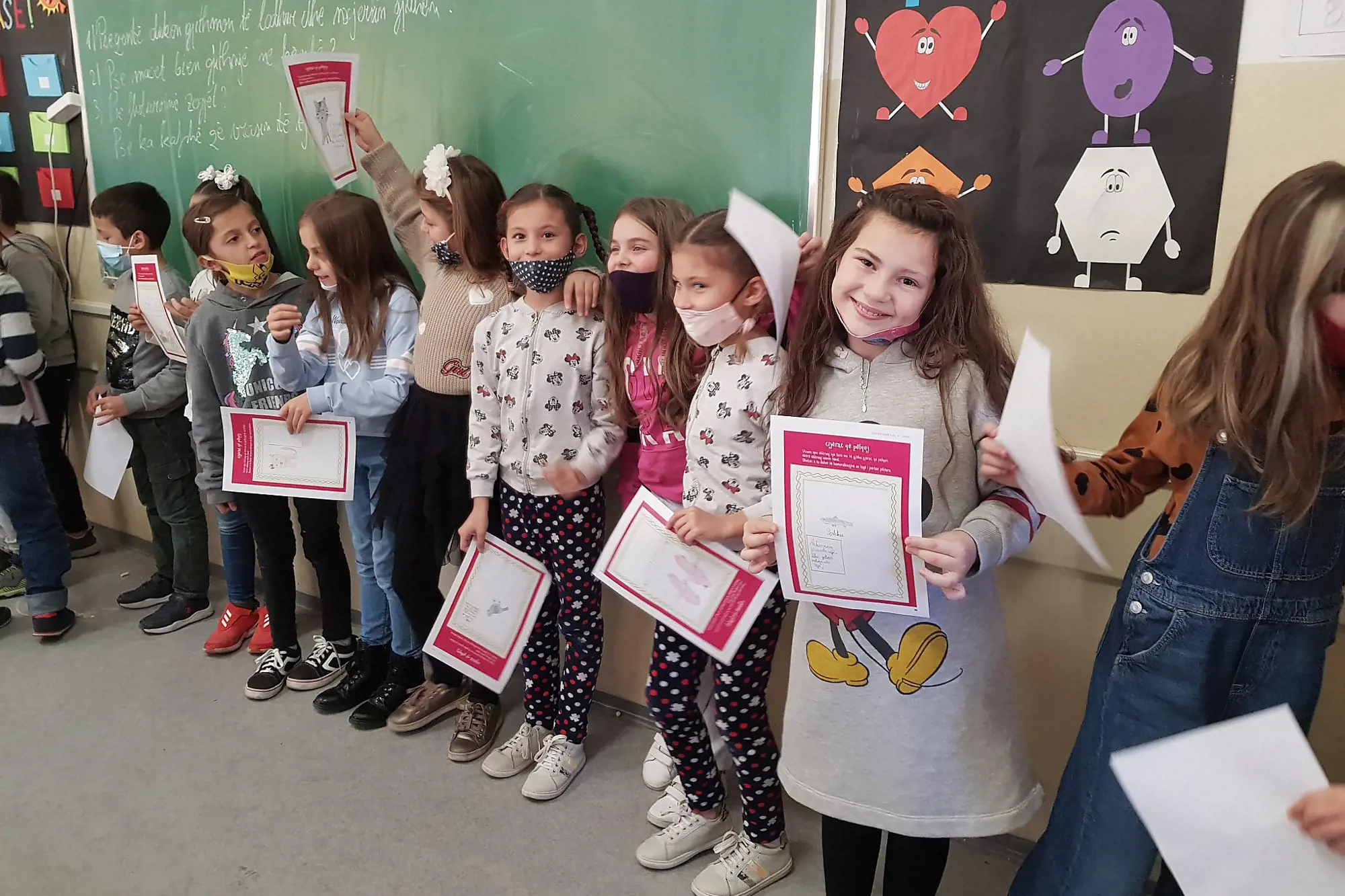
Face, teaching materials for children aged 4 to 12 years (English, Albanian, Macedonian, Serbian, Romanian, Hungarian).
Core, digital teaching materials (Arabic, English, Greek).
Personal development, for 12 school grades, adapted to the new Moldovan school subject “Personal Development”.