Project FOYER : Exchange on youth work in Tunisia and Switzerland
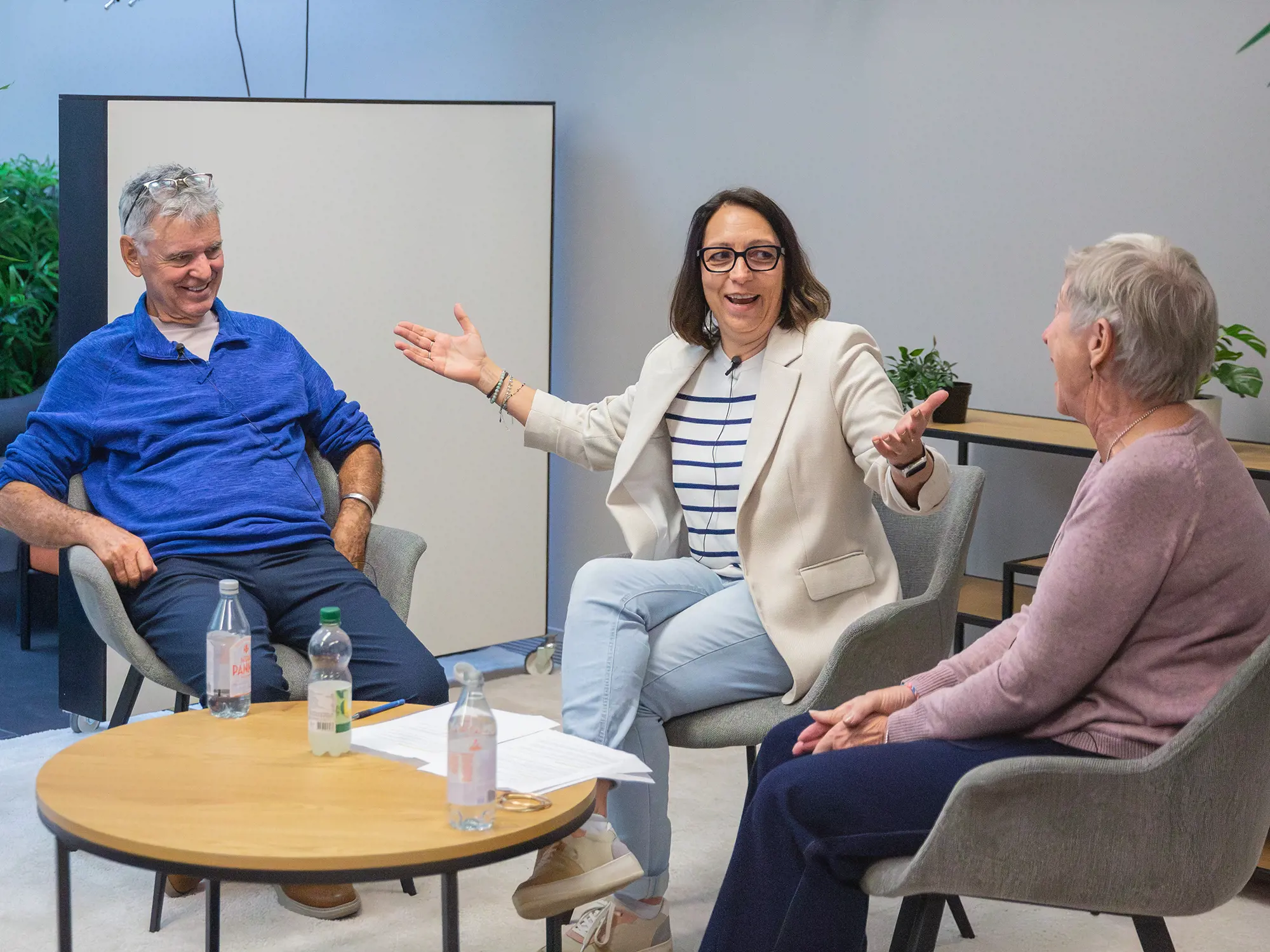
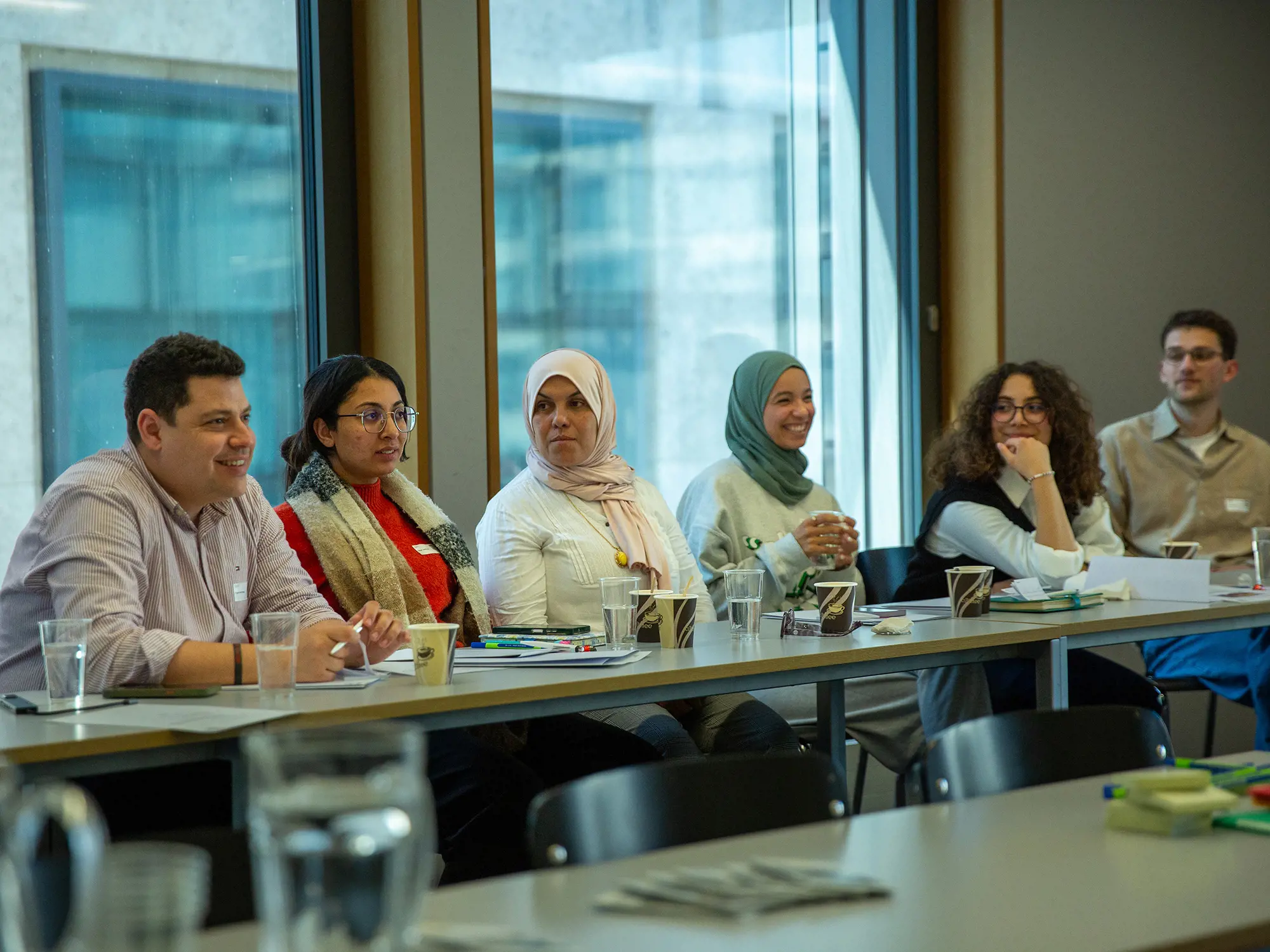
From a visit to a local youth centre, to discussions on youth structures in Switzerland and Tunisia, to practical activities such as cooking, dancing and singing: The Tunisian delegation that visited the Zurich University of Teacher Education last week immersed itself in all aspects of youth work. As part of the Fostering Self-Competences in Tunisian Youth Centers (FOYER) project, representatives of the NGO iiDebate, youth club leaders from the Jedaida Youth Center in Manouba as well as academics of the Université de Tunis participated in workshops on youth work, motivation and self-competences with students and staff from PH Zurich.
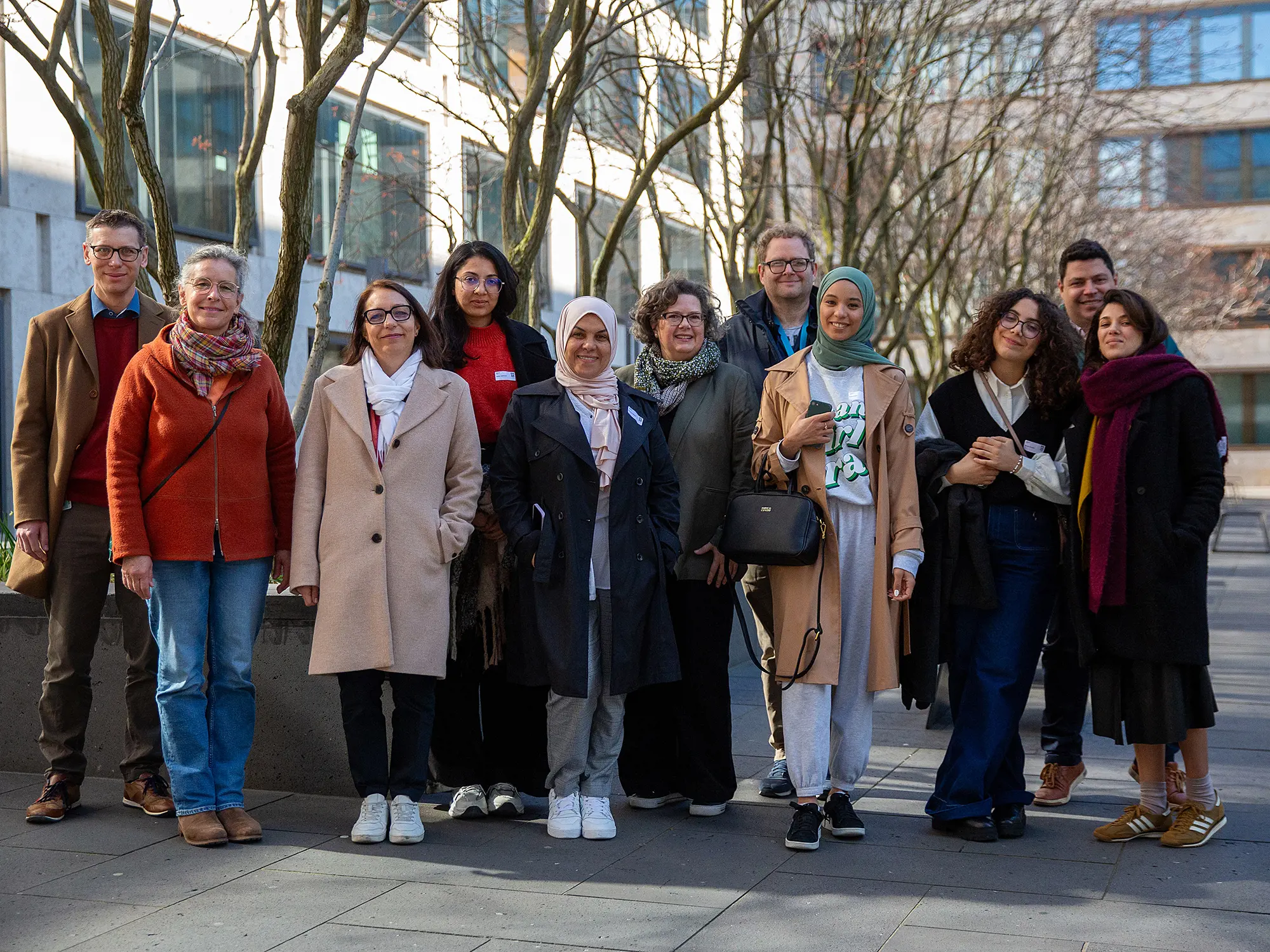
The exchange visit, which is part of a series of workshops in the FOYER project, centred on an exchange about youth dynamics and effective ways of youth work. In addition, there was a specific focus on exploring practical approaches to enhance self- and social skills as well as critical thinking. As youth centres play an important role in the personal development, social integration and non-formal education of young people in Tunisia, the FOYER project of the Department for International Projects in Education seeks to explore how a program promoting self- and social competences can support young people in the face of ongoing political transitions and economic uncertainties.
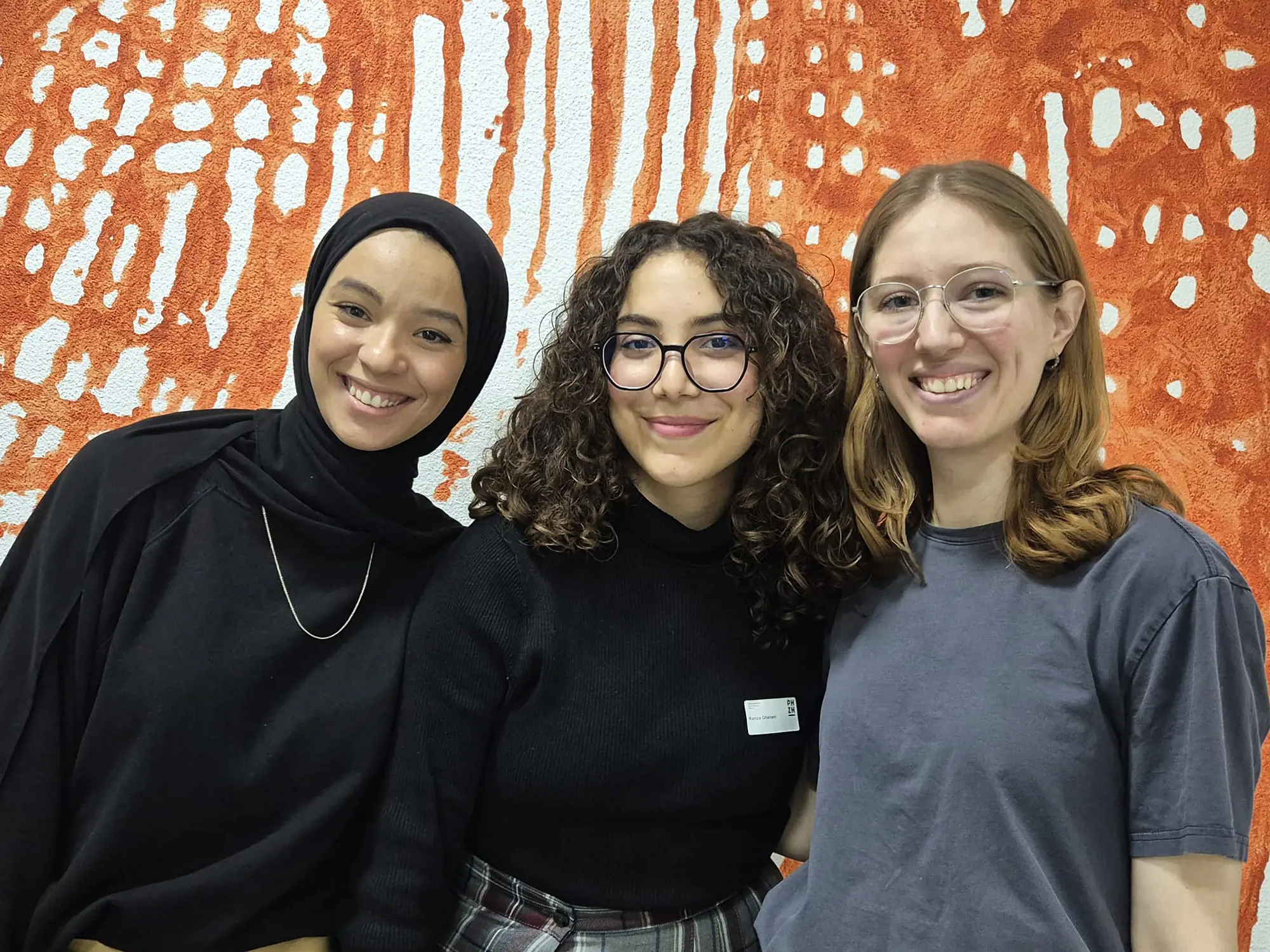
Laura Kockelkorn, a student of the Lower Secondary Degree Programme at PHZH, contributed to the program of the visit as part of the «Global Learning» elective. Kenza Ghariani and Emna Ayari are both volunteers and youth club leaders at the Jedaida Youth Center. In the following interview they provide insight into the project and their exchange:
What were your expectations for this week?
Laura Kockelkorn: I took part in an exchange with students from Kosovo last year as part of the PEER-Net project. So I expected this visit to be similar, although I knew that this time we would be meeting youth workers rather than students about to become teachers. As I had never been to Tunisia before, I was very excited to meet people from a culture I knew very little about.
Kenza Ghariani: Going into the week, we already had an idea of the program of workshops and exchanges. So I was expecting things to follow the set routine and just build on what I already knew.
Emna Ayari: Apart from meeting PHZH students and staff, which I was looking forward to, I expected to learn more about leadership and communication skills and to share my experience as a club leader in our youth centre.
What surprised you?
Laura Kockelkorn: I knew that Kenza and Emna were club leaders at the Jedaida Youth Centre. Here in Switzerland, people in youth centres are usually eighteen or younger. But they were both about my age, which surprised me. I was also struck by their warmth and open-mindedness.
Kenza Ghariani: I was surprised at how much more in-depth the discussions and activities were than I had expected based on my reading of the program. One thing that particularly stood out for me was an approach to problem solving that focused more on collaboration and feedback rather than individual effort, which was new to me.
Emna Ayari: I was surprised by the sheer simplicity of the activities we tried and the impact they had. It really highlighted how simple things can be extremely important and have a remarkable effect on collaboration and communication within a group.
What new information or approaches are you planning to incorporate into your own work?
Laura Kockelkorn: Last week we talked about activity based learning versus instruction based learning and how the latter is sometimes the more comfortable option as learning by doing requires trust in the process and the ability to handle mistakes. Personally, I sometimes struggle with things not going as planned, so leading a music workshop last week and pushing my comfort zone has given me the confidence to continue incorporating activity-based learning into my own work as a teacher.
Kenza Ghariani: The various hands-on activities of last week’s visit were definitely inspiring and I plan to incorporate more activity-oriented lessons and workshops with a specific focus on improving critical thinking in my own work as a youth club leader.
Emna Ayari: The workshops and the program at PHZH gave me a lot of inspiration for activities that I would like to implement in the future. As the program included topics such as social media, fake news, self-management, but also music, history and making, there is a rich variety of topics and approaches that I look forward to pursuing in my own work as a youth club leader.