Lebanon initiative for Education : «Social and emotional learning is essential»
Situated between Syria and Israel, Lebanon has long been exposed to regional armed conflicts and has hosted refugees and displaced Lebanese communities seeking safety. Since 2019, the country has faced an unprecedented convergence of crises, including a severe economic collapse compounded by the Covid-19 pandemic and the catastrophic port explosion in 2020. Yet despite chronic instability and a largely underpaid public sector, education and schooling continue.
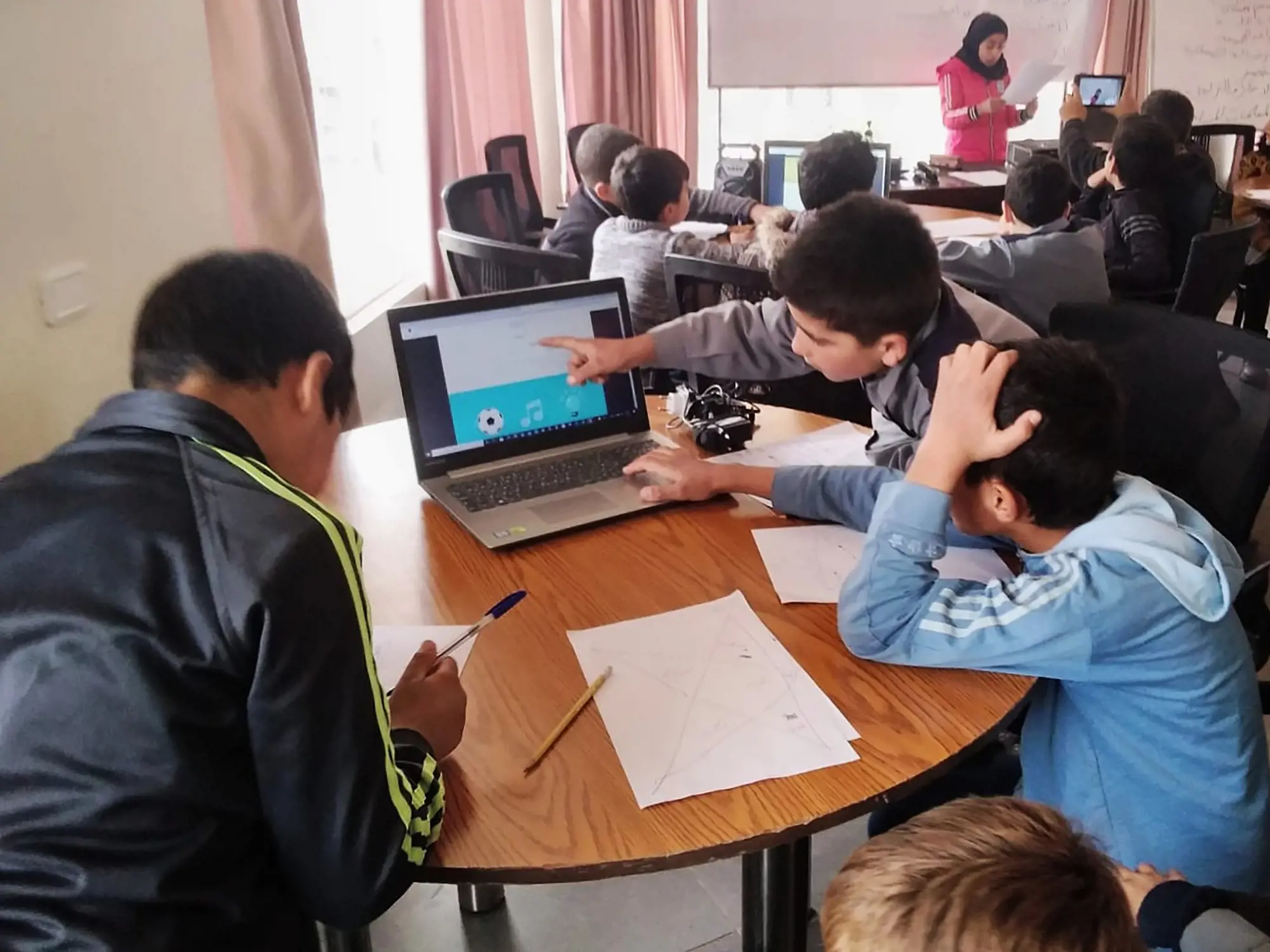
Lebanese teachers not only brave the ongoing threat of rockets and explosions, but also support children from disadvantaged backgrounds, including those affected by displacement, psychosocial stress and poverty. As there are few professional development opportunities for teachers in Lebanon, the Lebanon Initiative for Education (LIFE) project, run by the Zurich University of Teacher Education (PHZH), aims to enhance teachers’ pedagogical skills in promoting socio-emotional learning when working with vulnerable learners. Phase I of the project was scheduled to begin this year, however, progress is hindered by renewed conflict in the region.
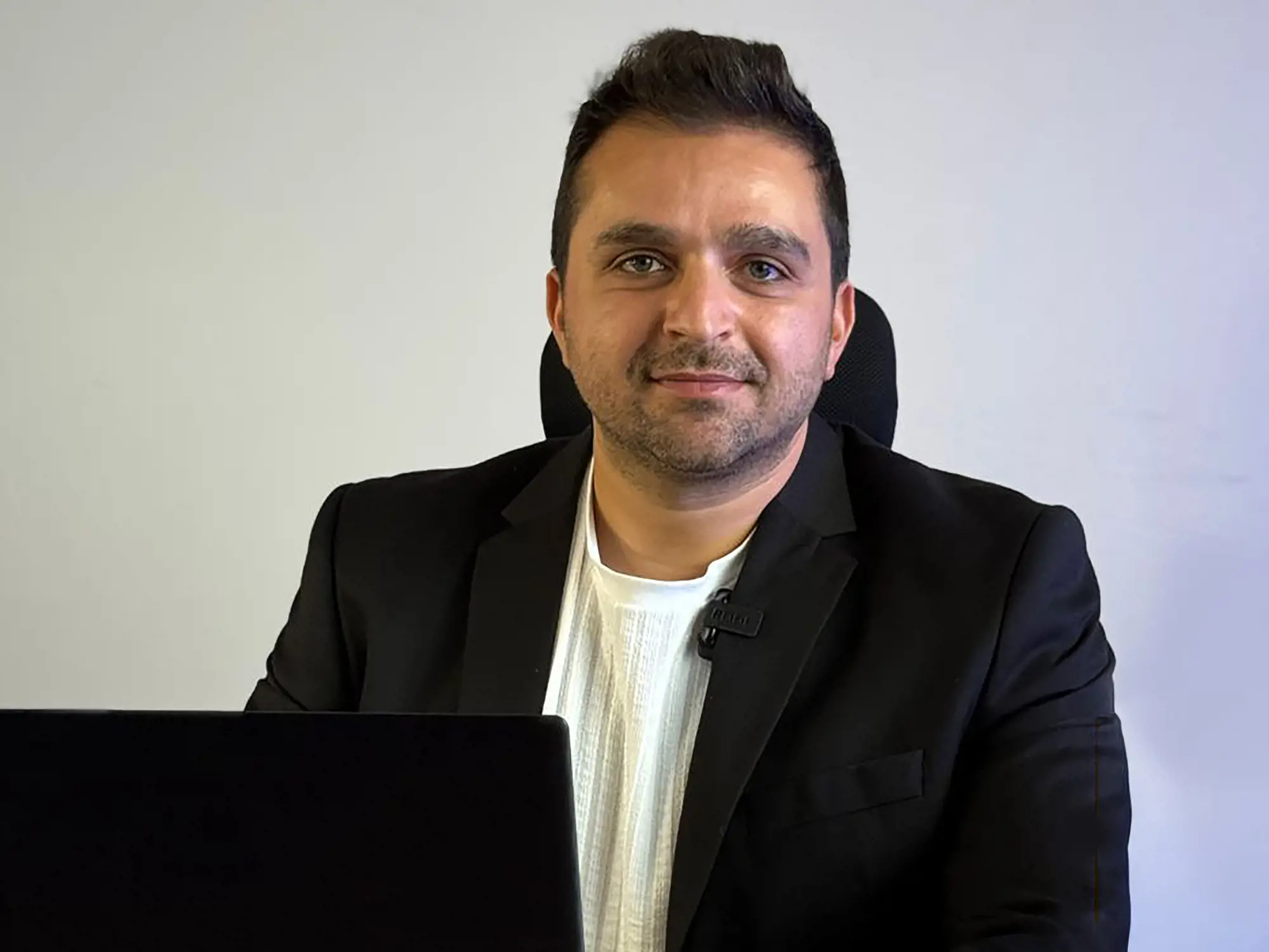
Joseph Feghaly, founder of the organisation Mentor & Guide, has collaborated with PHZH’s Department for International Projects in Education in various projects since 2020. As part of the LIFE project, he will speak in a public online discussion about «Learning and living in a war zone» on 15 April 2026.
In this interview, Joseph Feghaly sheds light on the current situation in Lebanon.
Joseph Feghaly, what are the biggest challenges teachers are currently facing in Lebanon?
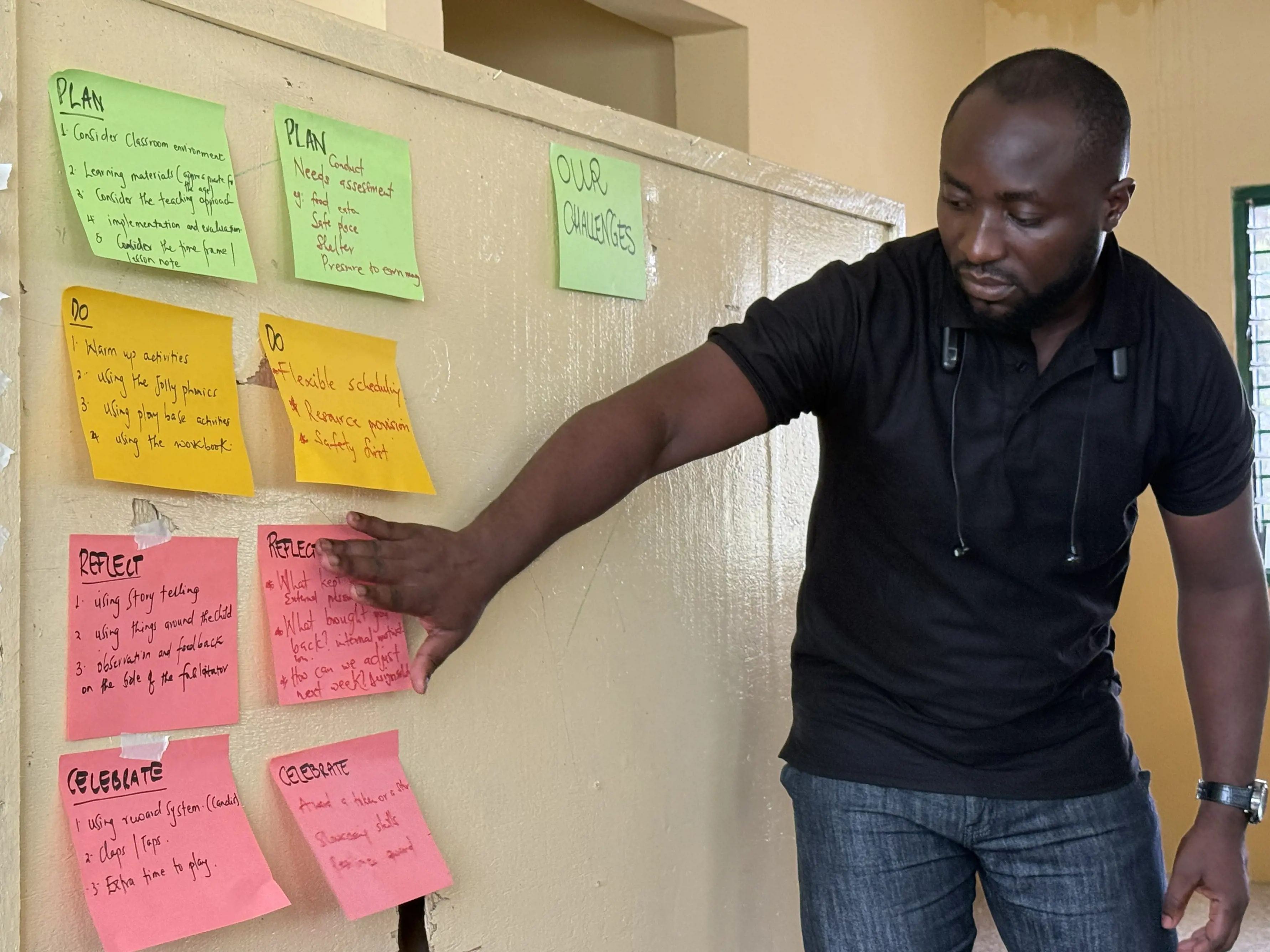
From what I see, the biggest challenge is that teachers in Lebanon are carrying too much at once. They work with very low salaries, limited resources, and constant instability. At the same time, they support children from Lebanese, Syrian, and Palestinian backgrounds who are often living with fear, poverty, displacement, and stress. Many teachers are not only teaching lessons. They are also trying to create safety, stability, and hope in the classroom. Additionally, many public schools are currently sheltering displaced people from southern Lebanon, which is putting further demands on teachers.
How can social and emotional learning support teachers and their pupils in the current situation?
I believe social and emotional learning is essential in the current situation. It gives teachers practical tools to manage stress, build trust, and reduce tension in the classroom. It also helps students express their feelings, feel safe, and connect better with others. Children who feel emotionally safe are not only much more ready to learn, but they are also less likely to drop out of school.
What can Swiss educators learn from Lebanese teachers working under extreme conditions?
I think Swiss educators can learn a lot from Lebanese teachers about resilience, flexibility, and human connection. Lebanese teachers often continue teaching in very difficult conditions and with limited support, demonstrating commitment and care. They remind us that good teaching is not only about content. It is also about trust, dignity, and responding to the immediate needs of students.
With Lebanon facing so many different challenges, how can education make a difference?
I believe that education can still make a real difference because it provides children with structure, a sense of belonging and hope. It helps them build skills, confidence, and emotional strength for the future. Furthermore, education also supports peaceful coexistence by teaching respect, empathy, and responsibility. While education alone cannot solve all of Lebanon’s problems, without it, the crisis will only deepen for the next generation. Also, dropping out of education and not going on to work may lead children to join militia groups, for example.