From AI to yodelling : Looking back at the PH Zurich Summer School
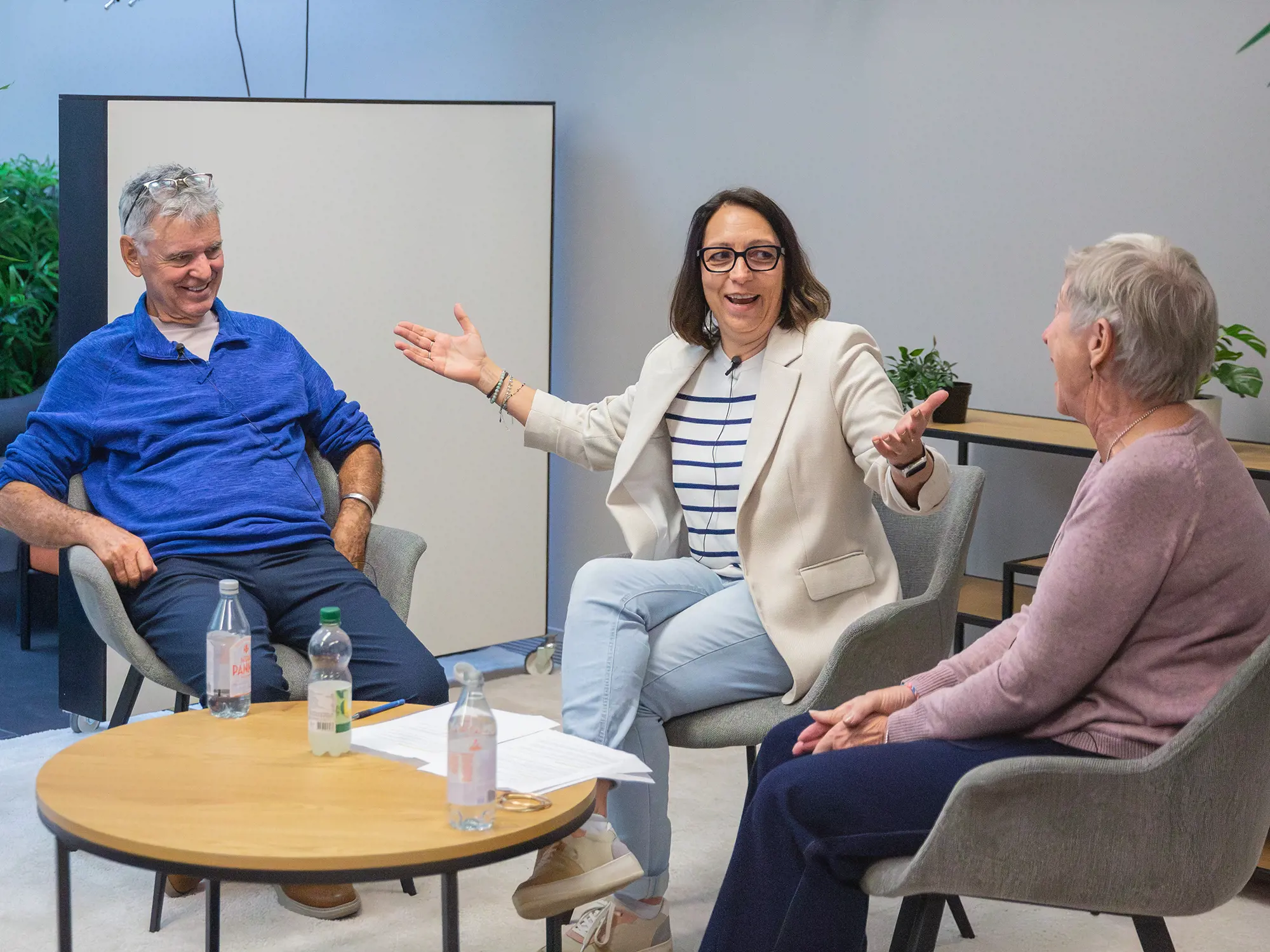
“During these two weeks, I explored how artificial intelligence and gamification can enrich teaching – and had conversations with students from all over the world that changed my perspective on teaching and learning”, said a student from the Basque Country. A Zurich-based student added with a laugh: “A friend of mine said there was no way she’d go back to school in summer. She was wrong – it was more than worth it.”
An image gallery with 5 images follows.


The PH Zurich Summer School takes place every year in the last week of June and the first week of July. It is open to students from PH Zurich’s roughly 100 partner institutions as well as its own students, offering an attractive alternative for those unable to spend a semester exchange abroad. PH Zurich students, in turn, benefit from an international experience without having to travel abroad. This year marked the eighth edition. For the first time, it was organised as a Blended Intensive Programme and funded by Movetia, Switzerland’s national agency for exchange and mobility. The stay in Zurich was complemented by a virtual preparatory seminar.
Between AI and conflict prevention
In week one, students chose between AI in the classroom and education in times of conflict. A Swedish student particularly valued the school visit to the Ämtler School in Zurich. “It was fascinating to move from discussing and comparing different curricula to actually visiting a school and seeing the curriculum in action in the classroom and among the teachers.” Her Cypriot classmate was impressed by the school’s external violence prevention programme. A representative of the programme explained that the organisation had been working with the same class for about a year, with the aim of helping pupils, teachers and the wider school community to recognise conflicts early and prevent escalation. “The continuity of this work and the strong relationships built over time really impressed me – I’ve never seen anything like it back home”, she noted.
Learning through play and performance
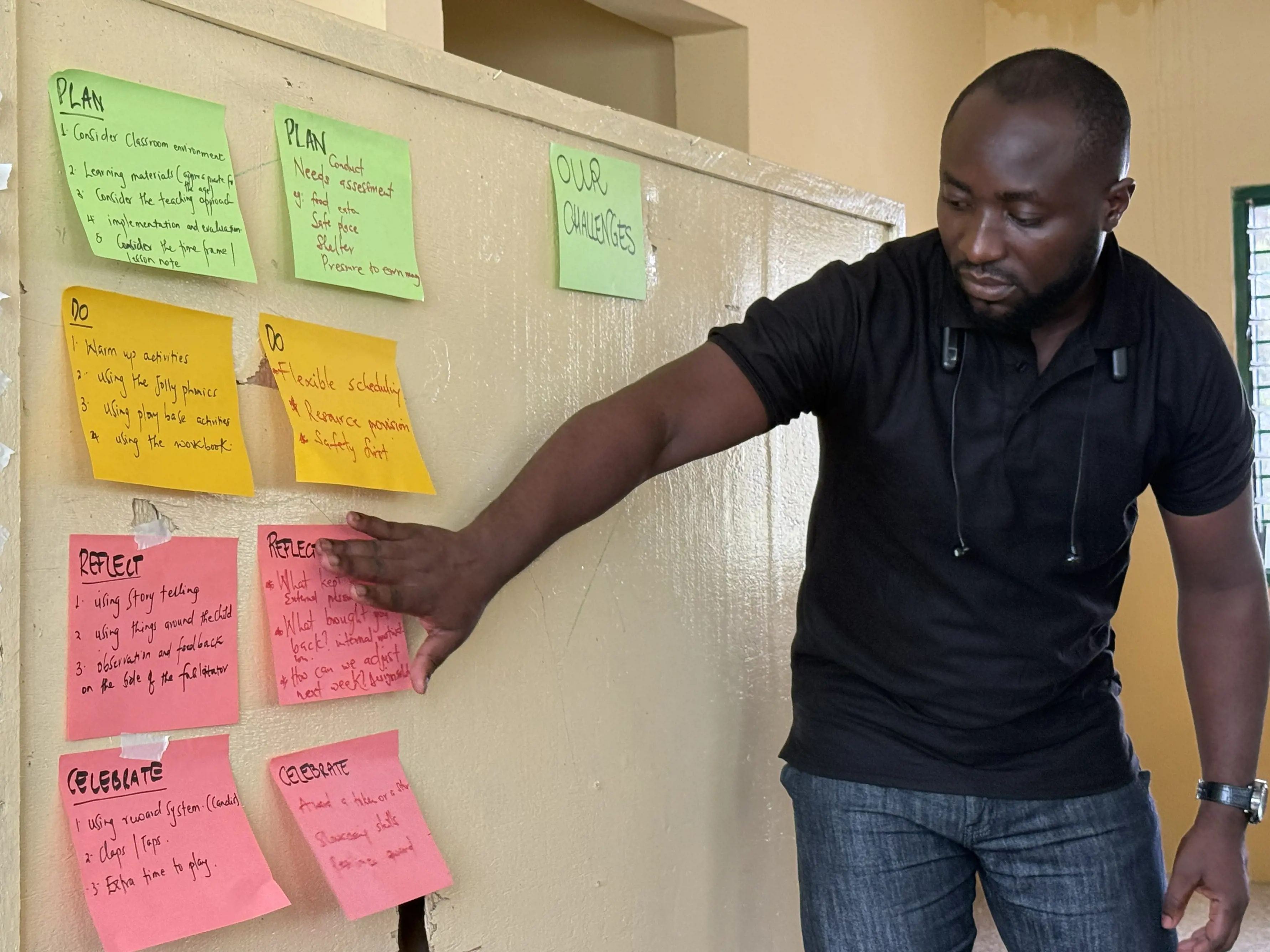
The second week was even more hands-on. Students chose between gamification and performative teaching and learning. “The game-based activities were brilliant, and I now have a whole toolkit of games and websites to help me design my lessons”, reported a Swiss student. A Chinese student wished there had been even more time: “I learned so much and had no idea we had so much in common, even though we come from very different cultures. I also never expected I’d actually end up playing the games on my phone.”
To round off the week, the two courses came together for a crossover session at the Schloss Au conference centre. Together, the groups created two personas. The gamification students developed games around them, while the drama students used process drama to explore different perspectives on fake news. By stepping into the various roles, they gained a vivid understanding of how fake news is created, how it spreads and what impact it can have.
More than just a seminar room
It was a hot fortnight. Many international students were surprised by the lack of air conditioning in Switzerland, which made cooling off in the lake and river all the more welcome. At the opening picnic before the courses began, the students had the chance to swim at Zürihorn, a popular bathing spot on the Zurich lakeshore. A visit to the Lindt Chocolate Museum was combined with a refreshing boat trip. On Mount Rigi, students enjoyed panoramic views before swimming in Lake Lucerne. And in Urnäsch in the Appenzell region, local guide Sämi taught them to yodel before they went tobogganing at the Kronberg.
Moments like these made the intercultural exchange truly tangible: shared experiences and discoveries sparked conversations about education systems and lived realities that would never have happened in a seminar room. "It was the hikes through the Swiss Alps, swimming in the lakes after class, laughing with people from different countries and the friendships that grew from all of it, which I will always remember," concluded the Basque student.
Outlook 2027
The next edition will take place from 28 June to 9 July 2027. Nominations are open from 1 November 2026 to 15 April 2027, with a registration deadline of 30 April 2027. The programme will be available from September 2026 at phzh.ch/international/summer-school.