Experience abroad : «We are encouraged to challenge our stereotypes»
Studying at PH Zurich offers a wide range of opportunities to distinguish oneself, including in the area of international competencies. For example, secondary school students can choose the «Global Learning» elective as an additional focus in their master’s degree. This way, they can participate in projects run by the Department for International Projects in Education at PHZH, gaining detailed insights into topics related to international educational cooperation.
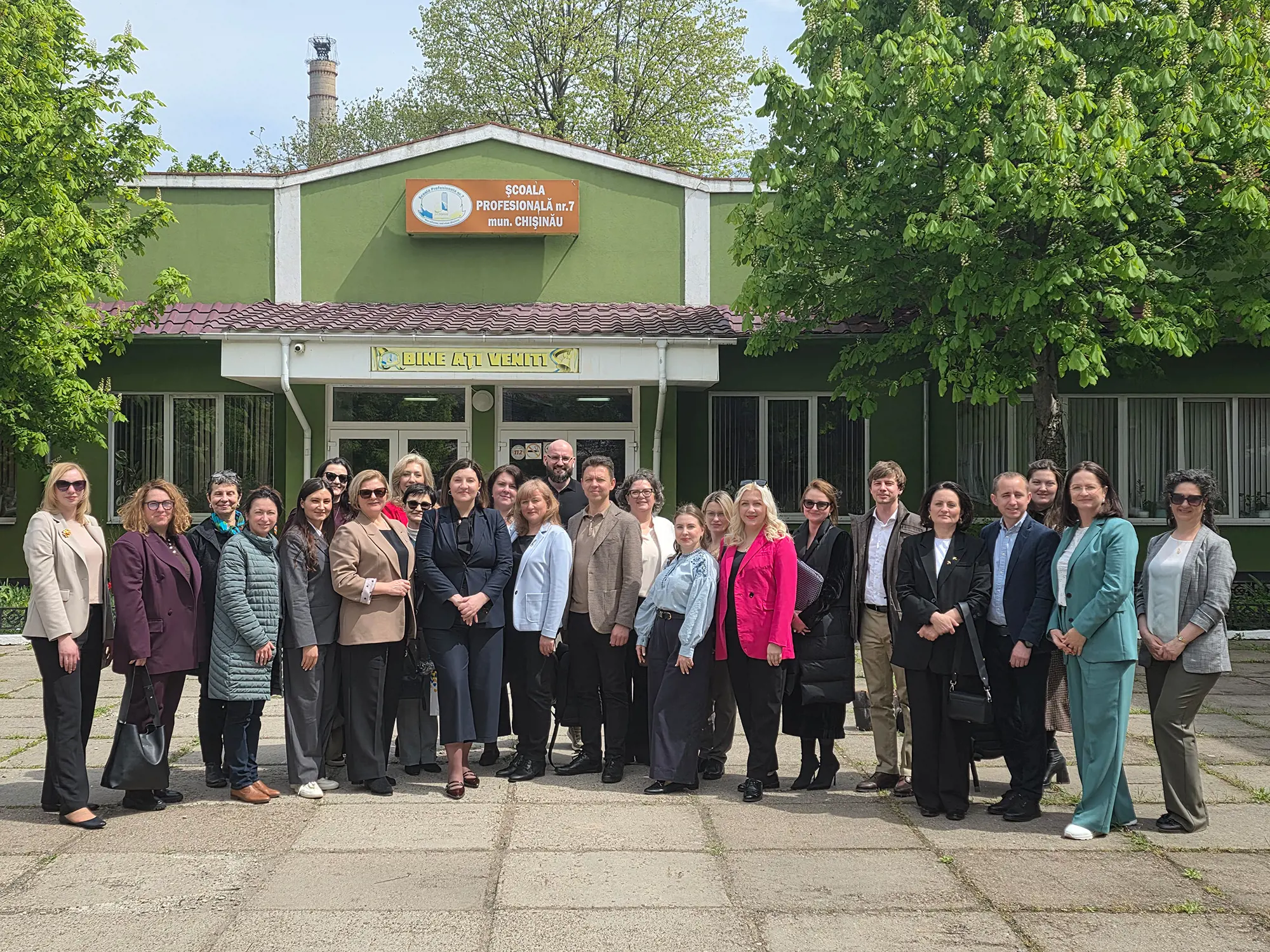
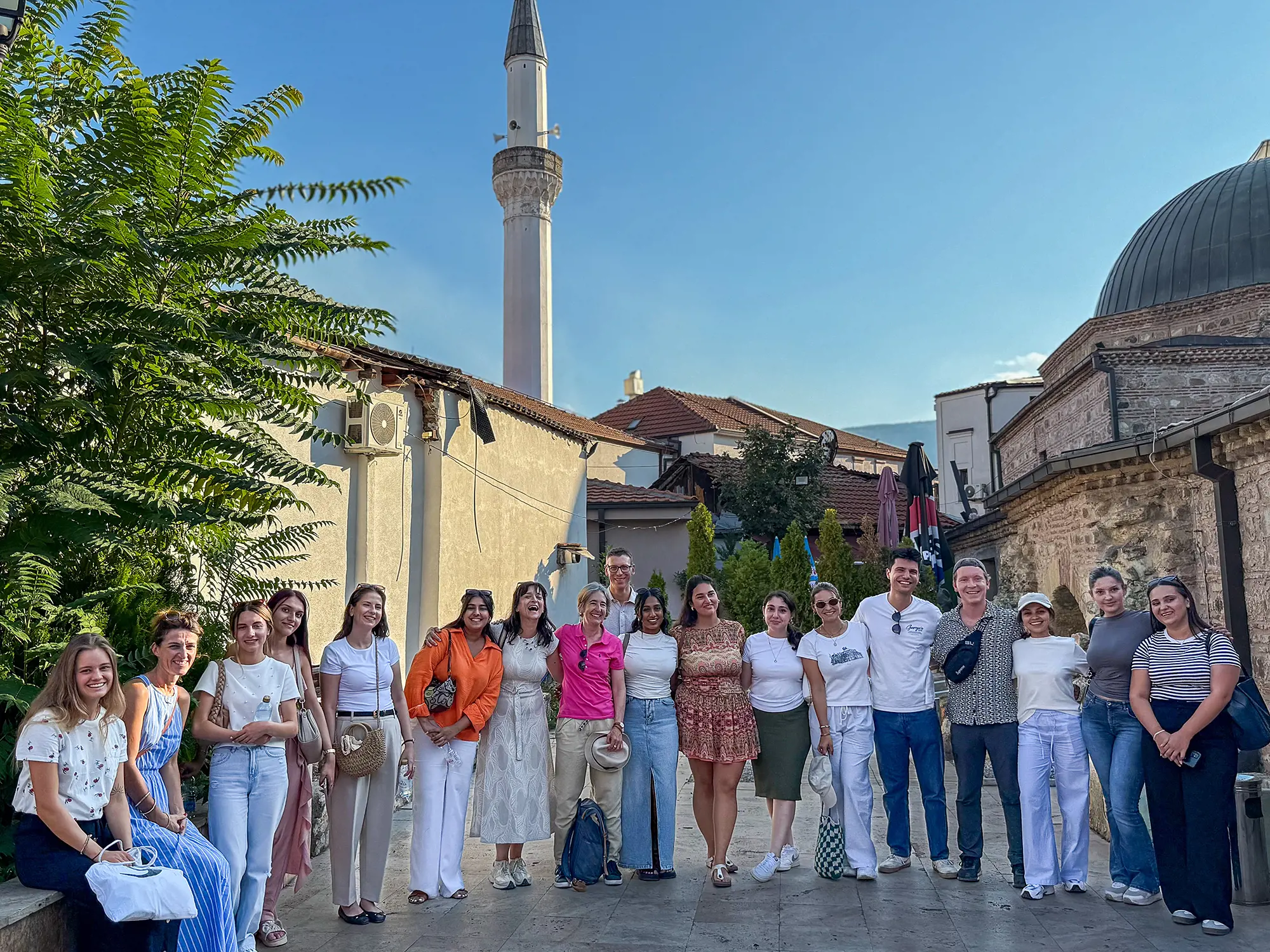
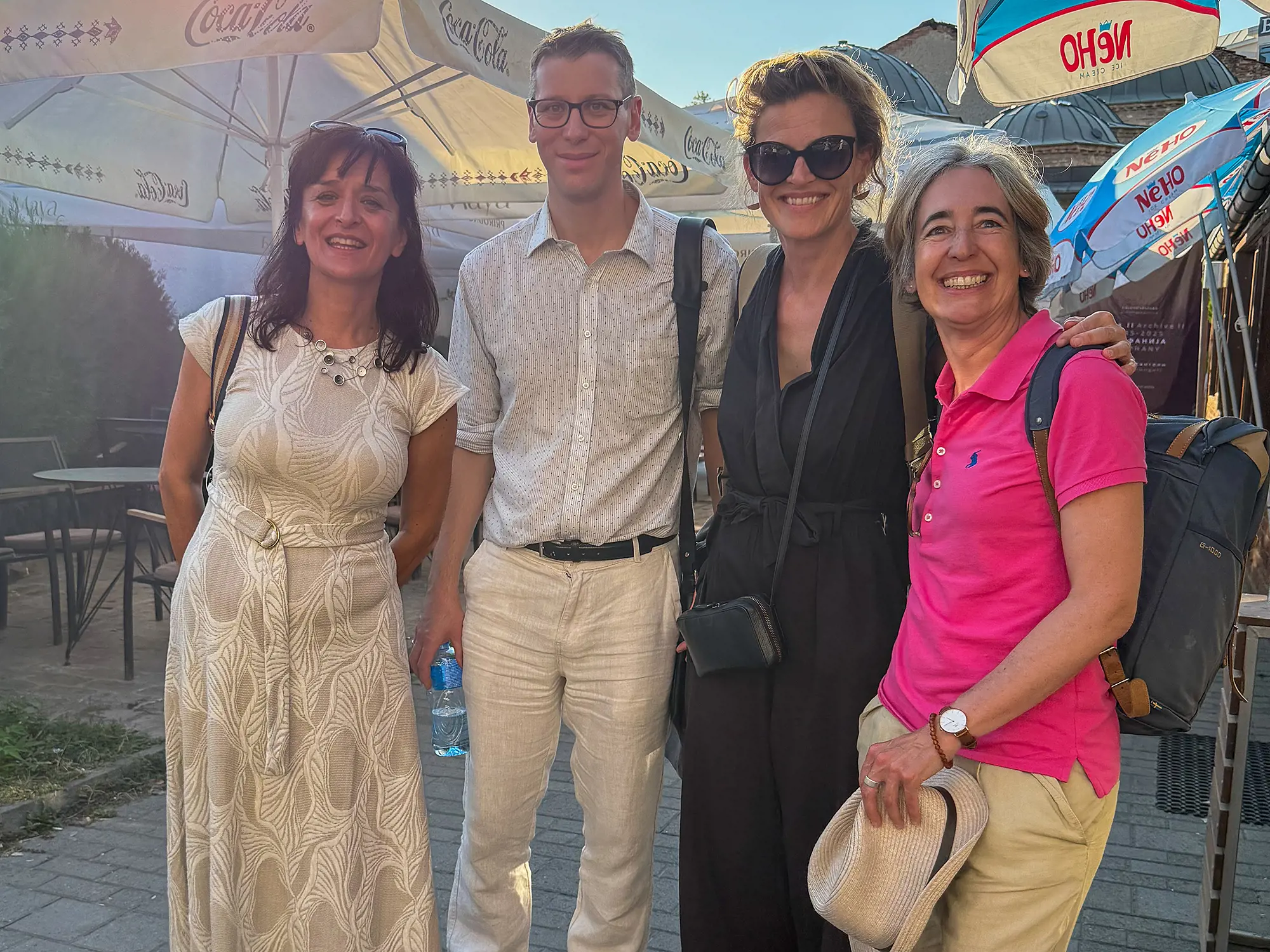
A concrete example of this is the Blended Intensive Programme «Global learning through international exchange», which was carried out in collaboration with the Ss. Cyril and Methodius University of Skopje and supported by the International Office of the PHZH and the national agency Movetia. Over the course of a week, twelve PHZH students visited various projects in North Macedonia, such as the «Sustainable Democratic Culture» (SUDECU) project in Kriva Palanka and the final conference of the «Play and Life Skills» (PALS) project in Skopje. The students not only exchanged ideas with prospective teachers and local politicians, but also gained an in-depth insight into the culture and history of North Macedonia.
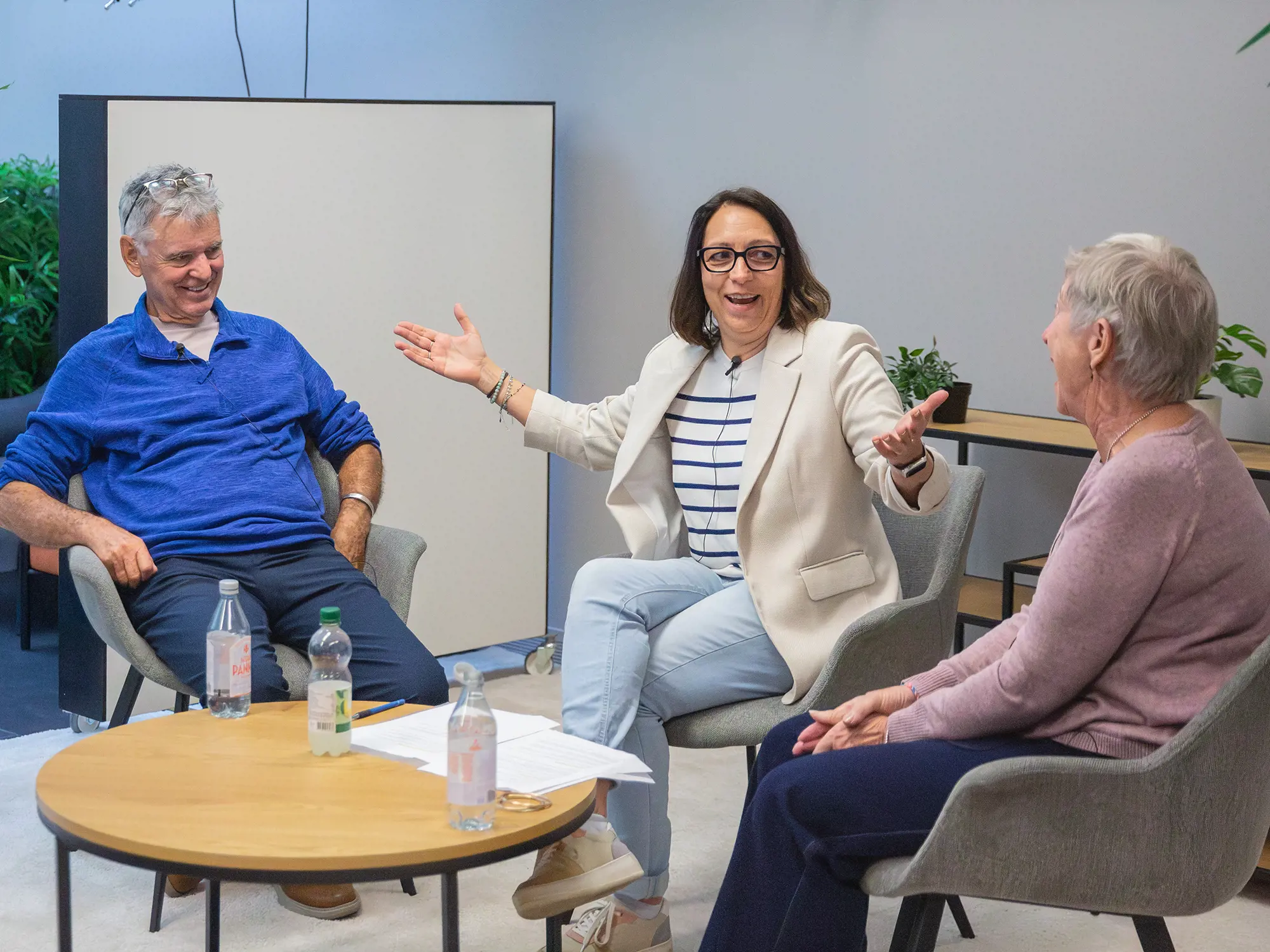
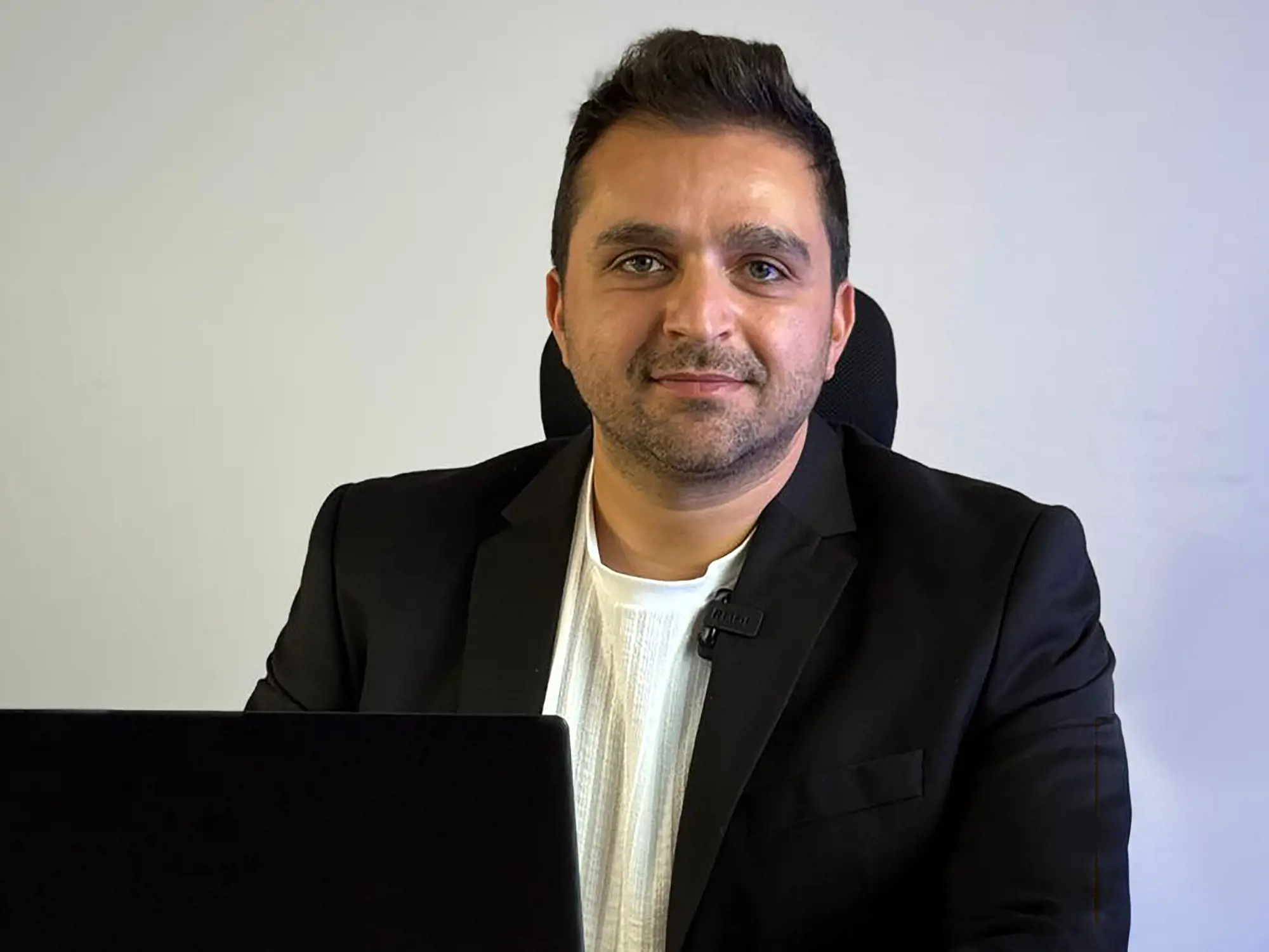
Nadine Ritzer, Séverine Chuffart Balmer and Samir Boulos from the Department for International Projects in Education organised and accompanied the exchange with North Macedonia. In this interview, they talk about the opportunities offered by international cooperation and the added value of the «Global Learning» elective for future teachers.
Nadine Ritzer and Samir Boulos, how exemplary are the two projects PALS and SUDECU for international educational cooperation?
Samir Boulos: PALS is an excellent example of everything that an international education cooperation project can encompass. On the one hand, this applies to the diverse outputs: a manual with teaching materials and videos, training modules, continuing education workshops for lecturers and teachers, and accompanying research. On the other hand, PALS is also exemplary in terms of the cooperation process: together with partner institutions in North Macedonia, and Serbia, we have developed content that combines play and life skills for children between the ages of 4 and 8. This meets the need in these countries to promote the pedagogical and didactic skills of lecturers, teachers, and students in this area. The content has been implemented at various levels. Firstly, at the level of the Ministry of Education, which has made the PALS manual available on its website and thus publicly supports it. Secondly, at the level of the partner universities, which have integrated the PALS content into their curricula. And thirdly, at the level of the schools, where pupils benefit from their teachers’ new skills.
Nadine Ritzer: The SUDECU project is not yet complete, but the students gained insights into the ongoing project work and the associated relationships and activities.
How do exchange experiences within the «Global Learning» elective enrich the education of students at PHZH?
Nadine Ritzer: By familiarising ourselves with other regions and cultural contexts, we learn to view our own environment more openly, question our way of life, and approach the diversity of our students with greater understanding. Furthermore, every exchange provides an opportunity to learn from one another and find inspiration. A concrete example of this is the meeting of senior citizens in Kriva Palanka. We could all feel the joy of the participants directly, and I found myself asking, «Why don’t we set something like this up in our own community?»
Samir Boulos: I also think that these exchange experiences enable us to view society more critically. We are encouraged to challenge our stereotypes and ask ourselves, «What is actually ‘normal’ for me?»
How do you deal with different conventions, values and norms when working on international projects and visiting other countries?
Nadine Ritzer: We gather information in advance. In my opinion, you can’t understand a region without knowing its historical background. Knowledge of a country’s historical developments, past and present, forms the basis for this. But you can also gain insight through art or literature.
Samir Boulos: We also discuss things with our local partners in advance to avoid any faux pas. For instance, I asked about the dress code for a meeting with the local authorities in Kriva Palanka.
Nadine Ritzer: Apart from preparation, it is essential to be open and always treat everyone with respect and appreciation – regardless of whether we are in another country or at home.