International Day of Democracy : Democracy needs commitment
To mark the International Day of Democracy on 15 September, numerous events are taking place around the world, including in Switzerland. For contrary to the Swiss self-image, not everything is rosy when it comes to political participation: national voter turnout is usually below 50 per cent, while around a quarter of the population does not have the right to vote or stand for election. At the same time, the younger generation is showing less interest and participation in democratic processes, while social polarisation is increasing. That is why the Federal Commission for Child and Youth Issues (EKKJ) and the Swiss Teachers’ Association (LCH) are calling for a strengthening of political education.
The PH Zurich is committed to strengthening democratic education through training and further education as well as projects at home and abroad. Over the years, this has resulted in the creation of numerous materials, which are available free of charge in sixteen languages on the Living Democracy website, including a German version since 2025.
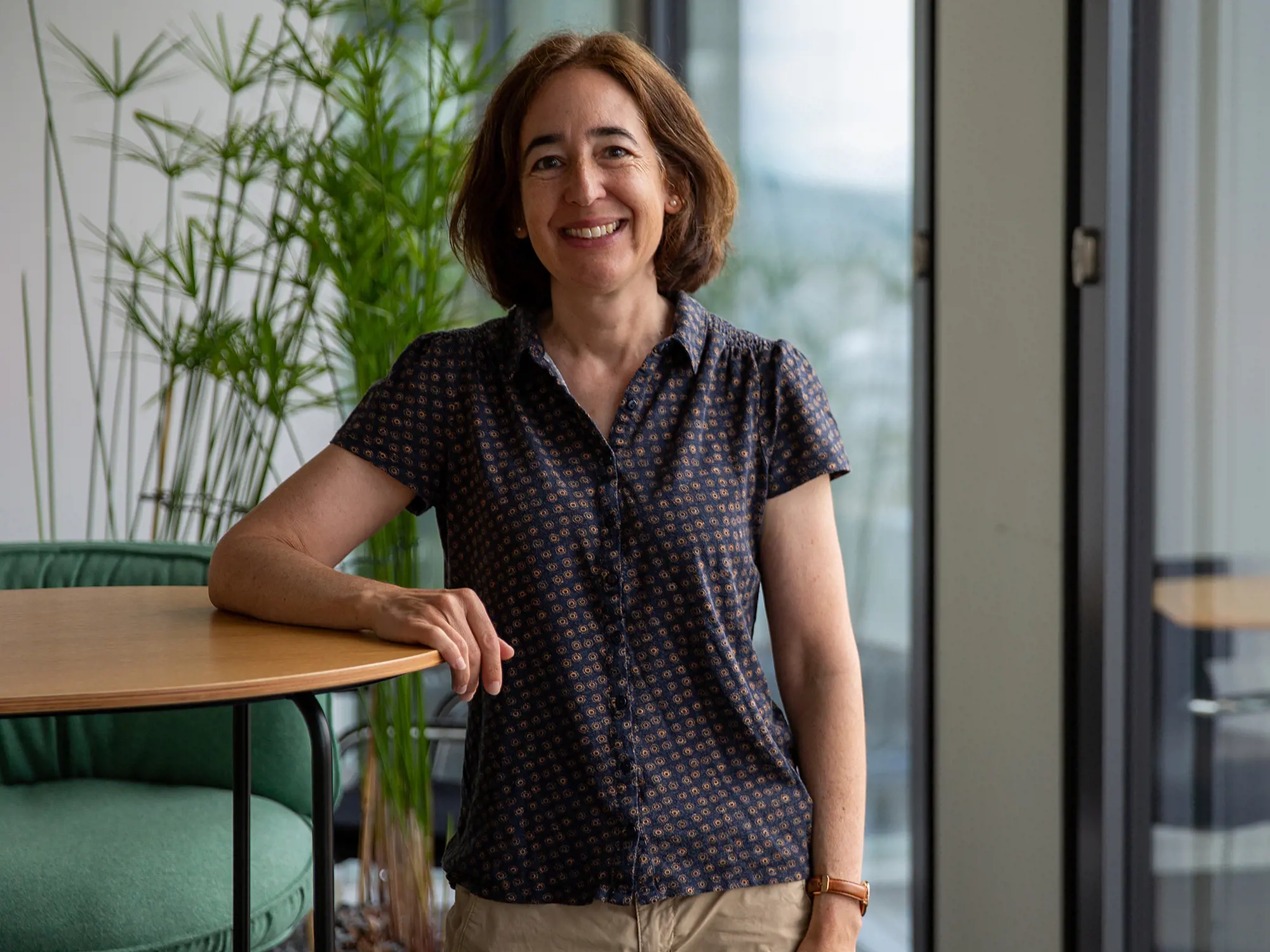
But why does democracy need education? And how can democratic cooperation be strengthened? Nadine Ritzer, lecturer at the Centre for Educational Governance and Democratic Education at the PH Zurich, explains.
Nadine Ritzer, how are democracy and school connected?
Primary and secondary schools in Switzerland have a legal mandate to promote democratic values that contribute to peaceful coexistence. This means that schools impart knowledge “about” political concepts and processes, but also enable learning “for and through” democracy. Schools are spaces where respectful coexistence can be promoted, participation can be strengthened, responsibility can be practised, and critical thinking and argumentation skills can be developed. In short, schools can promote political skills in many ways: through individual subjects, across the curriculum, or via the school’s culture.
What might this look like in practice?
School culture encompasses class councils and pupil parliaments, as well as enabling learners to contribute to the development of learning paths and content. Furthermore, pupils can learn to form their own fact-based opinions on controversial topics and represent these in structured debates in the protected environment of the classroom. This didactic principle, which also appears in curricula, is called perspectivity. In view of increasing polarisation, I believe it is more important than ever to promote understanding of social controversies, critical analysis of multi-perspective sources, and negotiation of pluralistic opinions. Media literacy is closely linked to this. It is also important to raise awareness that neither democracies nor dictatorships just fall from the sky. Civil liberties were (and are) also developed in Switzerland, in some cases through struggle. Preserving and expanding these rights is by no means guaranteed, as both history and the current world situation demonstrate.
What challenges do you see for democratic education in Switzerland and worldwide?
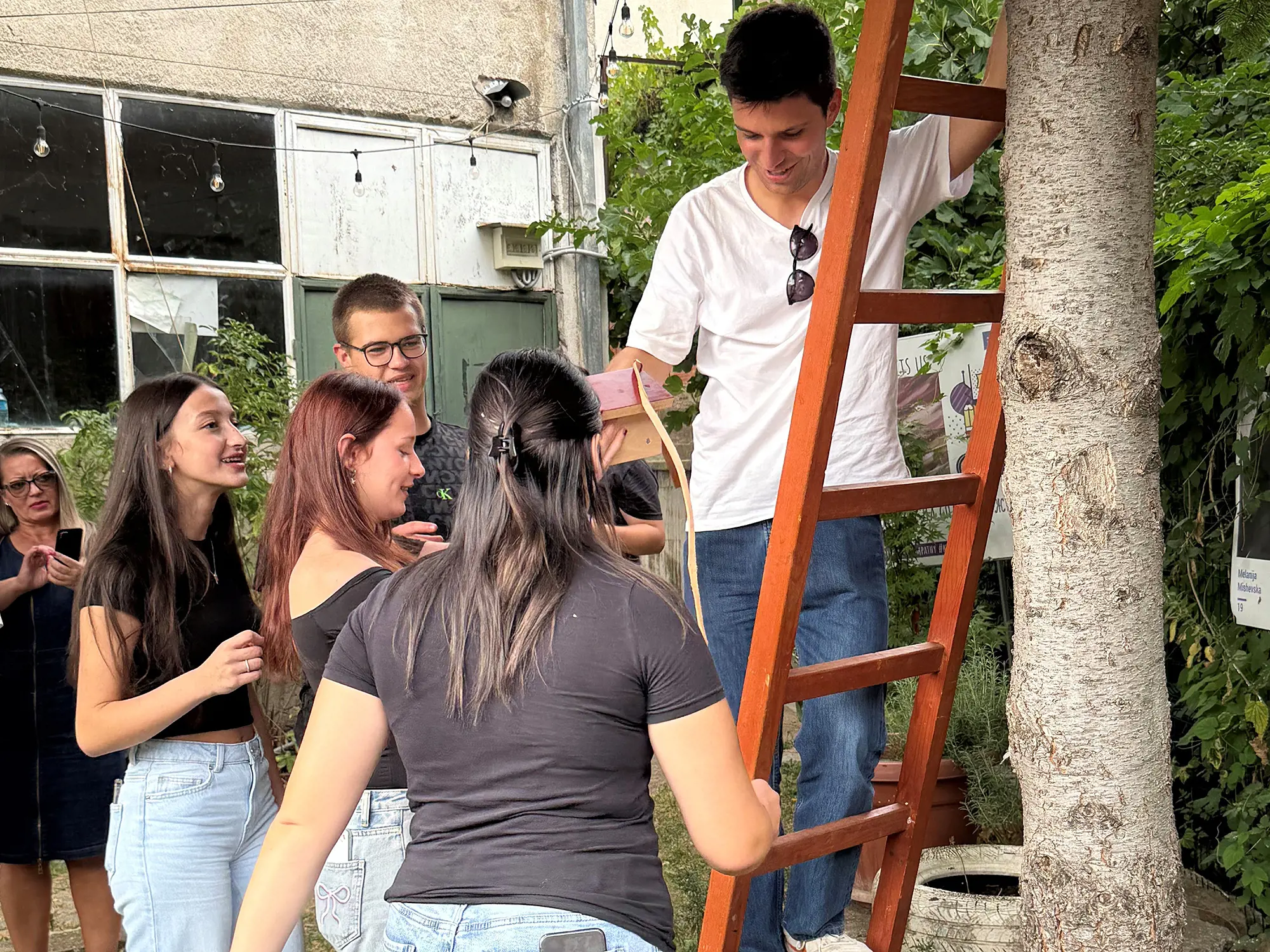
That is a big question: democracy is currently in decline around the world. According to the Democracy Index, nearly 40 per cent of people currently live under authoritarian regimes, and this figure is increasing. At the same time, political interest and engagement among young people in democratic states is declining, while authoritarian tendencies are gaining support — even in Switzerland. Wars, crises and disinformation are putting democracies to the test. However, fatalism is not the answer. Looking at our project partners, I also see a counter-movement: a determination to strengthen and defend democracy. Young people in particular are protesting against corruption, electoral fraud and abuse of power in countries such as North Macedonia, Serbia, Georgia and, most recently, Ukraine. In these countries, the vivid memories of painful experiences of dictatorship and Russia’s war of aggression, which is taking place “on their doorstep”, make it particularly clear how valuable democratic rights are. This exchange with our project partners reminds me every day that democracy needs commitment – everywhere in the world!
What can each individual do?
It may sound a little old-fashioned, but I believe we can be role models. We can exercise our rights and stand up for the rights of others. We can take responsibility for the common good – not only politically, but also in the community or at work. Within the scope of our activities, we can enable participation and responsibility. And perhaps we should sit down together more often and discuss things – with well-founded arguments, but open to different perspectives, in order to recognise plurality as a value that enriches democracy rather than threatening it.
Further information
- Democracy Day in Switzerland
- LCH position paper: Strengthening political education in schools (in German)
- Living Democracy: Free teaching materials for teachers, principals and parents in sixteen languages