Digital Education for Equity in Primary Schools (DEEP)
Auch auf Deutsch verfügbar
Content of this page
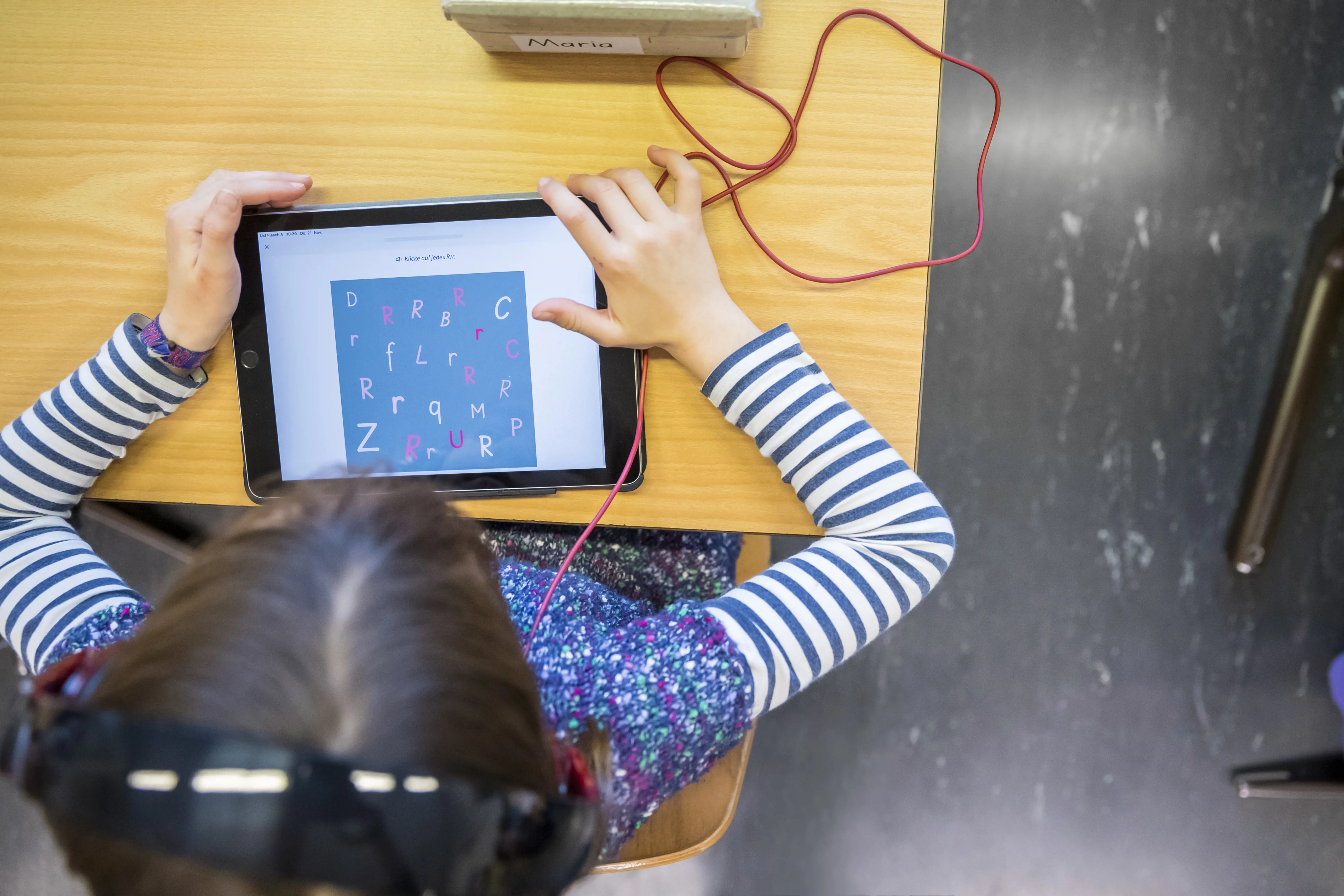
DEEP is a collaboration of seven universities reflecting the institutional, disciplinary, methodological, and geographical diversity of Swiss educational research. The DEEP Coordination Office is run by the École Polytechnique Fédérale de Lausanne and the Zurich University of Teacher Education. DEEP’s project activities have started in 2024 and run for four years. A second four-year period of research activities is foreseen for 2028–2031.
The digital transformation offers new opportunities for education systems. This transformation extends beyond the mere use of technology or the acquisition of new skills; instead, digital education implies a reshaping of what, how, where, and when children learn. The digital transformation of education further impacts the understanding of teaching, the role of teachers, the design of learning environments, and the involvement of various actors in educational processes and practices.
To date, there is little reliable knowledge about the challenges and risks stemming from these profound changes for effectively supporting learning processes in primary schools. Notably, there is a lack of findings on questions of educational equity: How can schools and teachers design digital learning environments and utilize digital technologies to support learners in their individual potentials and needs, irrespective of their family and social background?
In collaboration with education experts, DEEP aims to bridge these gaps in the research and design of the digital transformation of school education. Research findings will be accessible to practitioners, administrators, and policy makers throughout the Swiss educational system.
DEEP’s close collaboration with teachers, schools, education administration, and education policy within the “Education in Digitality” initiative allows comprehensive investigations in different regions, subjects and schools. This collaboration coupled with the diverse expertise of the researchers, enables a multi-perspective and participatory research approach into digital change in Swiss primary schools.
In the following videos, Kenneth Horvath presents the goals and significance of the DEEP consortium, while Barbara Getto and Tobias Röhl present their respective research projects as part of DEEP.
Key objectives of the DEEP consortium
The DEEP consortium pursues the following goals:
- Research-based clarification of the conditions for an equitable and sustainable digital transformation in Swiss primary schools
- Identification of opportunities, challenges, and risks of the digital transformation for Swiss primary education
- Sustainable integration of research findings into the school field, teacher education and training, and educational administration and policy
Projects
Initiative “Education in Digitality”
The DEEP consortium is a part of the Jacobs Foundation’s “Education in Digitality” initiative alongside “Chance Digitality” by Staatslabor and ProEdu. The initiative focuses on achieving effective education with an emphasis on educational equity in the context of digital learning environments. Evidence-based findings from research and practice are integrated into the education system through targeted knowledge transfer.