Peer Learning in North Macedonia : “We are not bringing the idea, you are”
Over the past four years, the Sustainable Democratic Culture (SUDECU) project has fostered a wide range of local initiatives within North Macedonian communities of Kriva Palanka, Kumanovo and Skopje, including organising recycling, passing on local traditions, and cooking for elderly and disabled people. All of these initiatives are centred around the concept of peer learning, which aims to strengthen a democratic culture in North Macedonia that is robust and fit for everyday life.
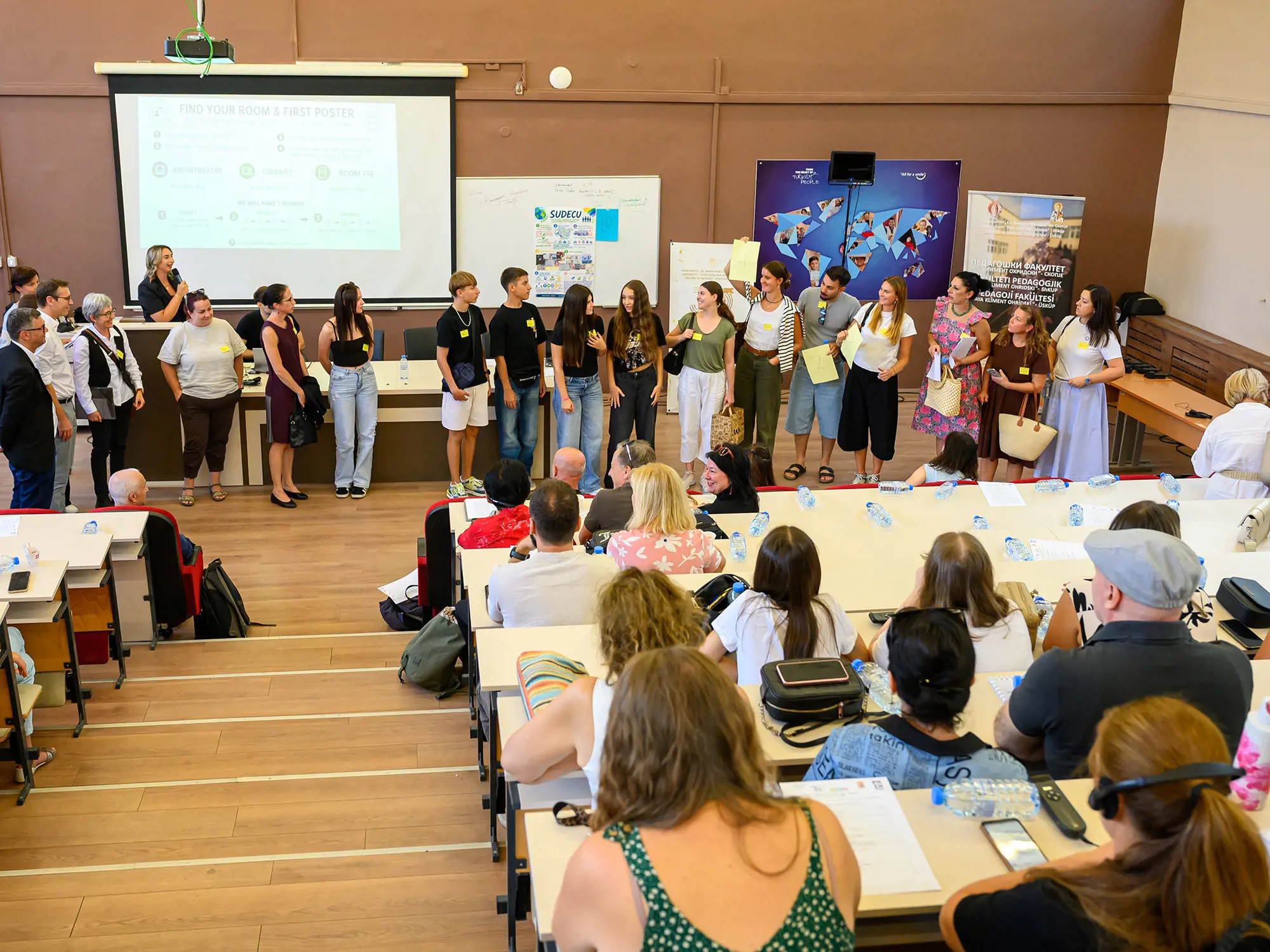
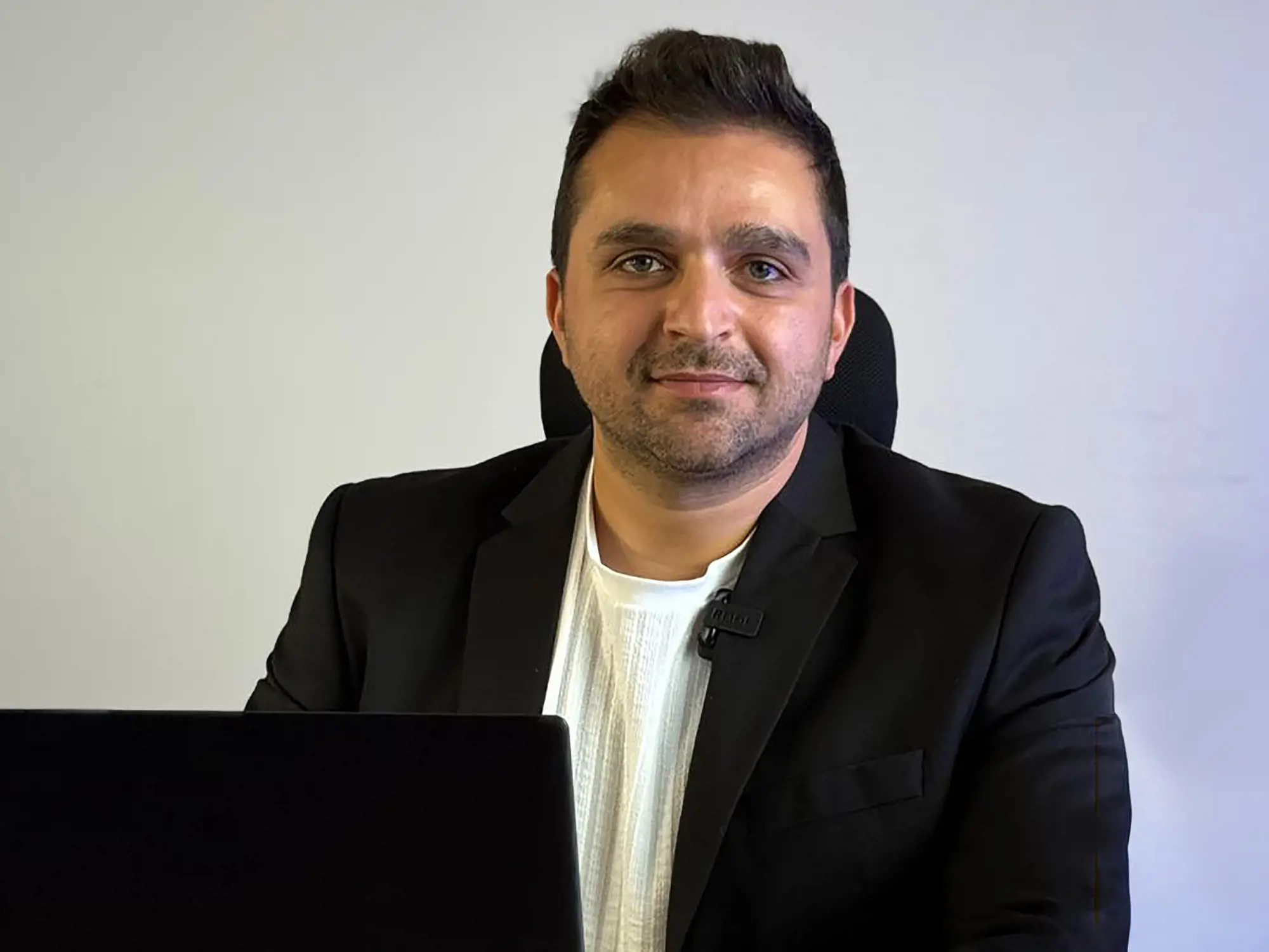
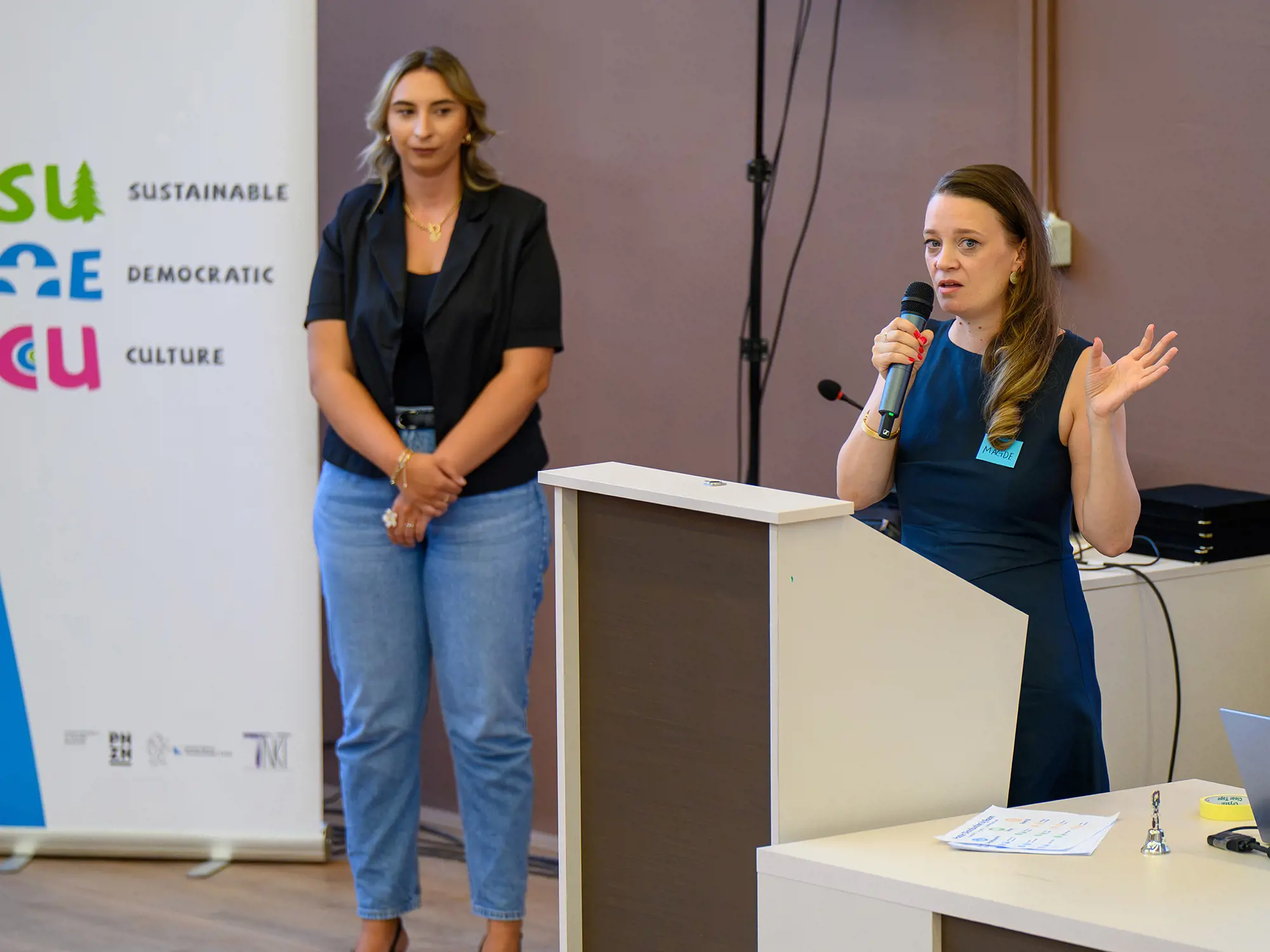
A key aspect of this project has been the close collaboration between local and international partners. Parties involved have ranged from local peers in the three communities, to the NGO Together Advancing Common Trust (TAKT), to the Faculty of Pedagogy at Cyril and Methodius University in Skopje, to the Department for International Projects in Education at PH Zurich. Magdalena Spasovska, TAKT’s co-founder and managing officer, has been involved at every level and has played a central role in implementing SUDECU from the outset.
Magdalena, what specific goals has SUDECU achieved over the past four years?
The main goal of SUDECU was to encourage people to engage in democratic practices in their own streets, schools and neighbourhoods, primarily through peer education. And I think we achieved that. In Kriva Palanka, Kumanovo and Skopje, we supported eleven local initiatives, ranging from urban greening to intergenerational cooking. Crucially, each initiative was designed and led by the people it affected, not by us. Secondly, we established a group of 40 local peers who can now independently facilitate this process. Transferring this skill is the project’s real achievement. Thirdly, peer learning and democratic skills building are now firmly embedded in TAKT’s work, so future trainers and youth workers will continue their initiatives even after a project ends.
What were the main challenges in implementing the project?
The first response was scepticism, which was fair enough. People in our communities have seen many projects arrive with a plan and leave with a report. When we told them, “We are not bringing the idea, you are”, the initial reaction was often disbelief, and sometimes even disappointment. We had to earn trust in each community separately. The second challenge was pace. Peer learning is slow by design: it requires people to argue, change their minds and take responsibility. This rhythm does not always align with the reporting cycles that projects operate on. Part of our role was therefore to protect this slowness from pressure to demonstrate rapid results. Thirdly, we had to work across very different institutional cultures. For example, local volunteer groups and professionals do not necessarily use the same vocabulary. We addressed this by holding regular joint reflection meetings and encouraging open communication about roles, expectations and objectives.
Is there a specific moment or story from these four years that stay with you?
It is difficult to single out one particular story because SUDECU has been a journey made up of many meaningful moments. What has stayed with us most is seeing people evolve gradually from project participants to active community contributors. We have watched parents and young people develop their own ideas, take responsibility, collaborate, and transform the values of democracy and sustainability into practical local initiatives. For us, this is ultimately what SUDECU has been about: not just discussing democracy and sustainability, but experiencing and living them in everyday life.
How will the local initiatives continue after the end of the project?
The local initiatives belong to the groups that started them. They identified the needs and connected local stakeholders, creating a natural process of need and response that will continue. From the outset, our peer groups have been supported by municipalities, local centres, and NGOs in each community. These partners are continuing the work under the SUDECU label. This label is more important than it might sound, as it signals a specific way of working. The people involved design the initiative themselves, and our partners have adopted this approach as their standard practice. Additionally, the Faculty of Pedagogy at Cyril and Methodius University continues to facilitate peer learning within teacher education, reaching far more communities than we ever could.