REFLECT : “The purpose is to learn from one another”
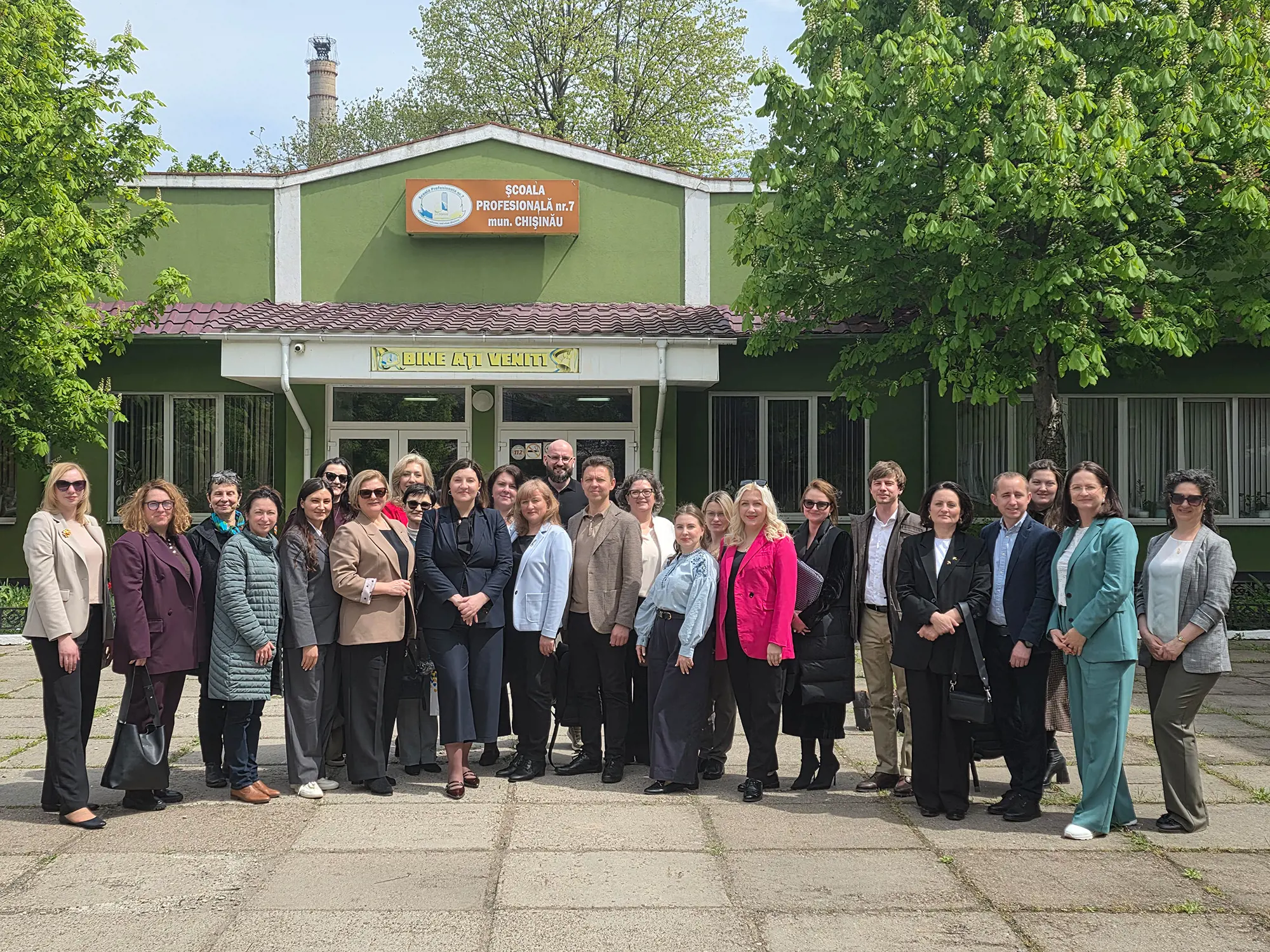
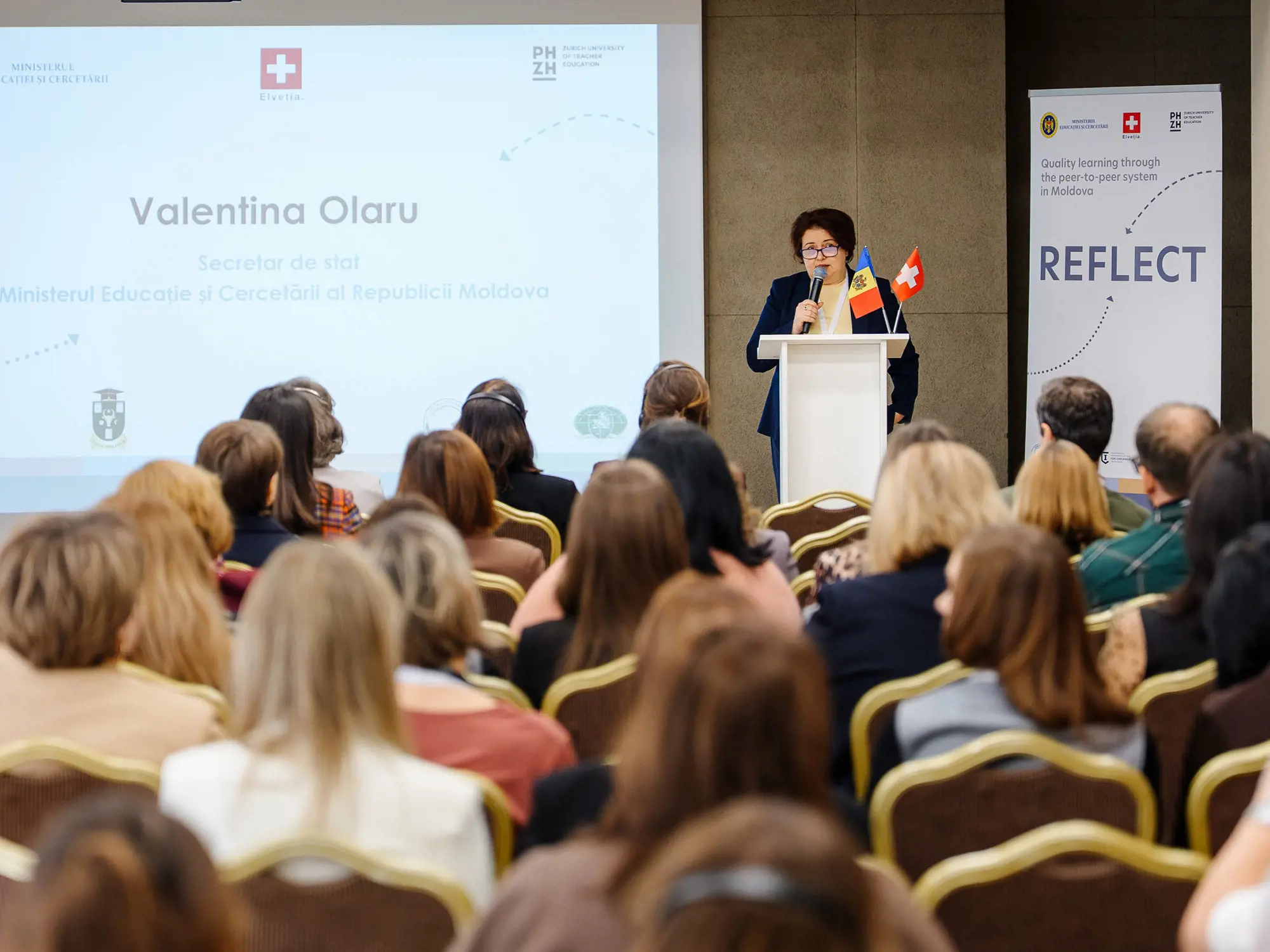
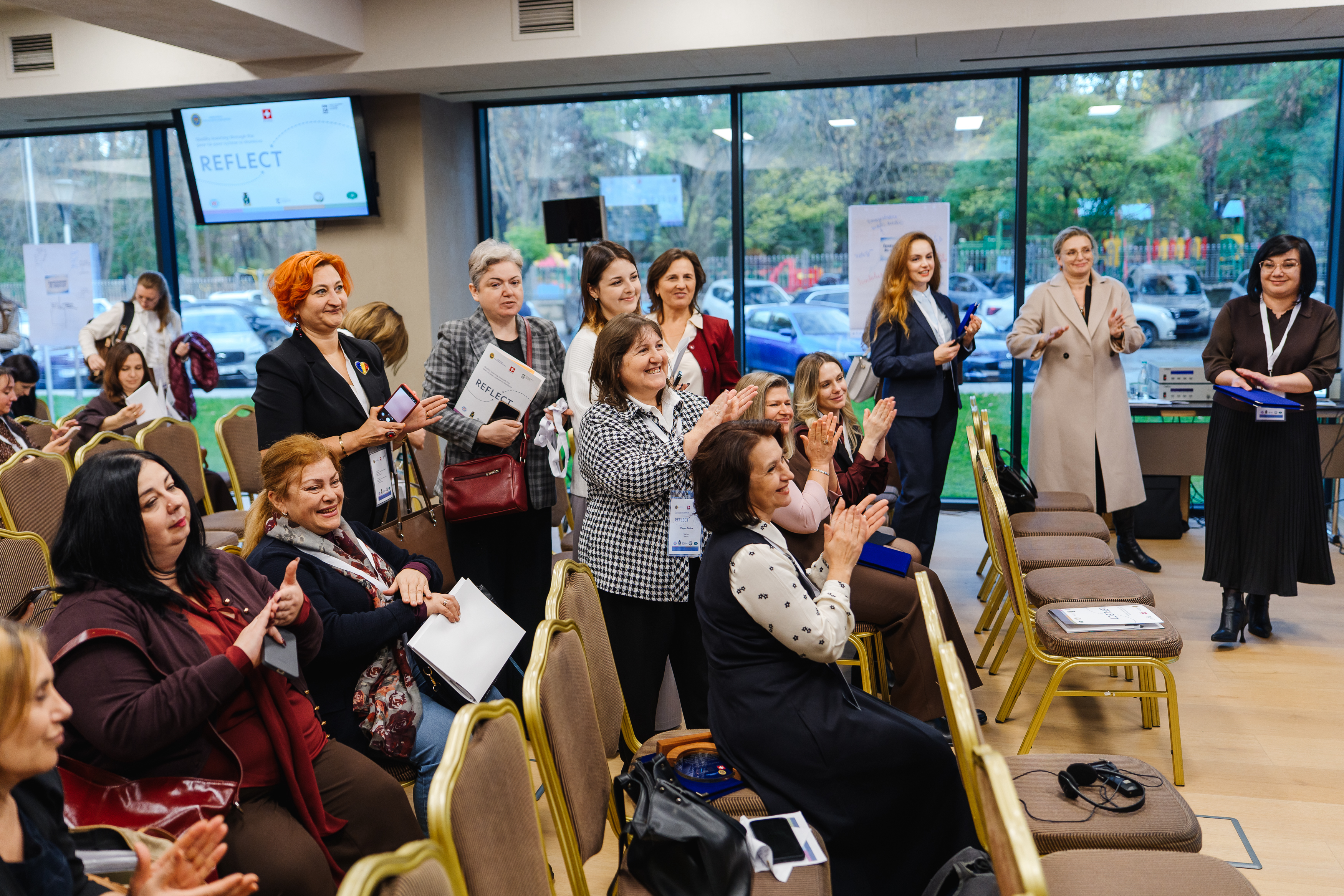
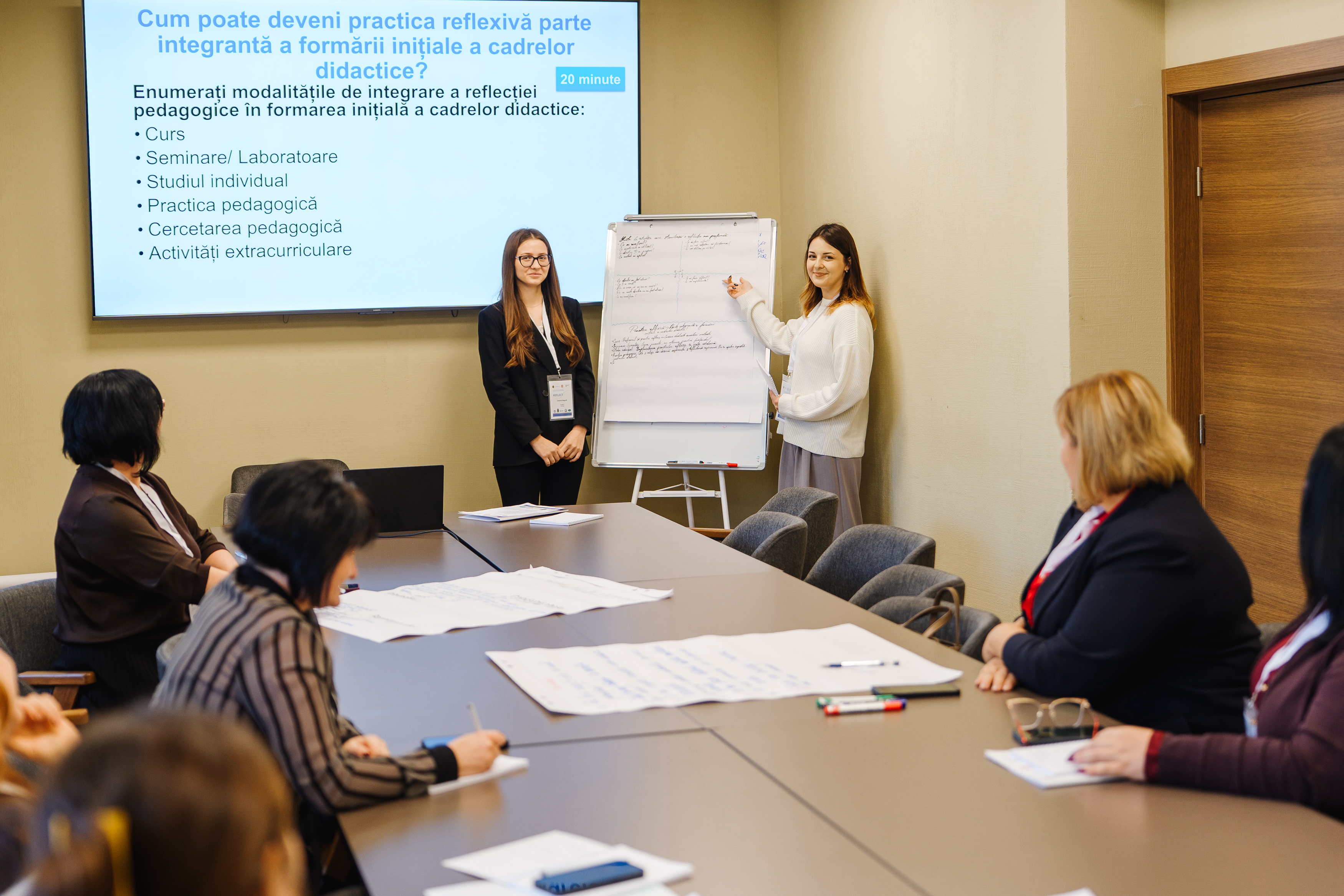
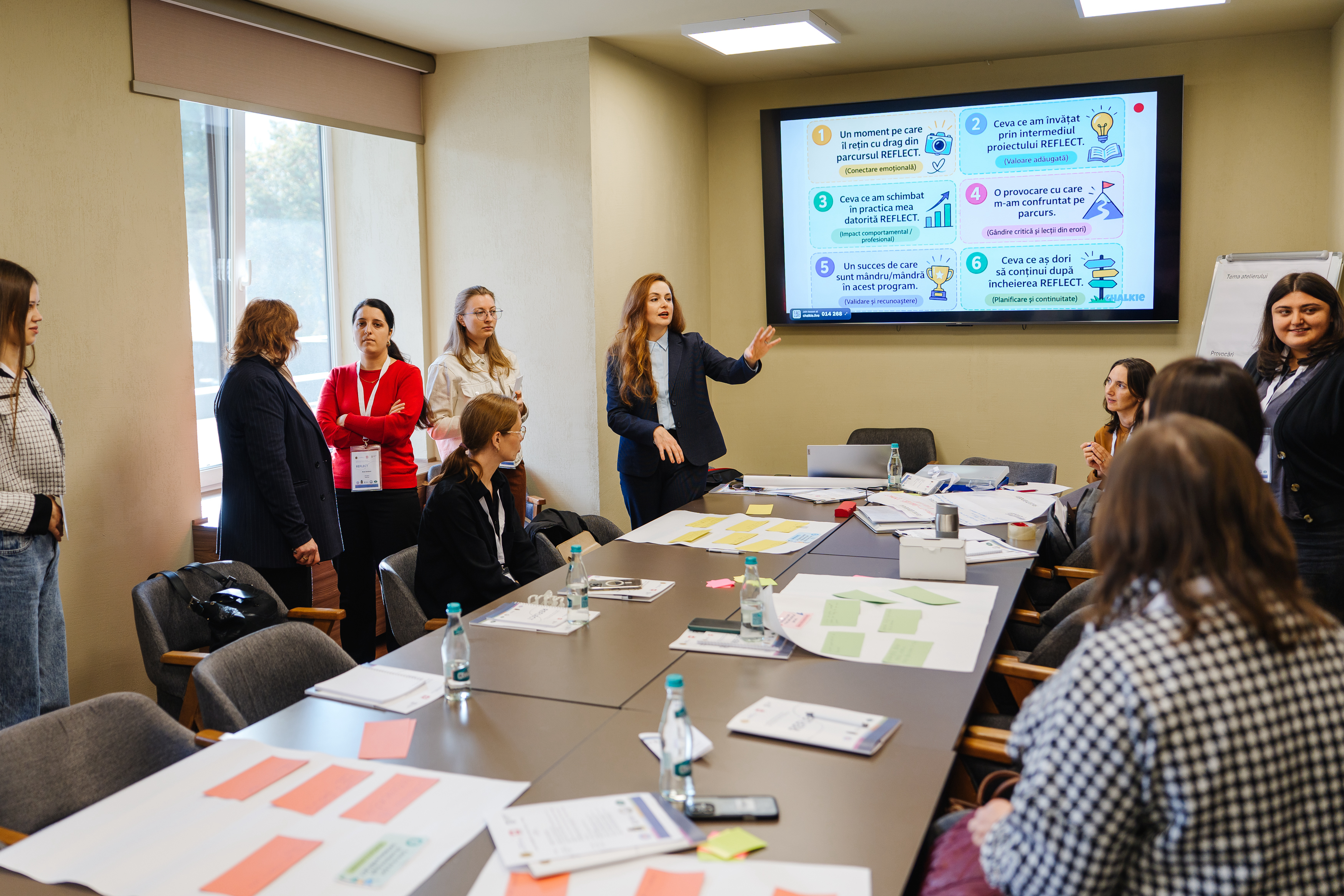
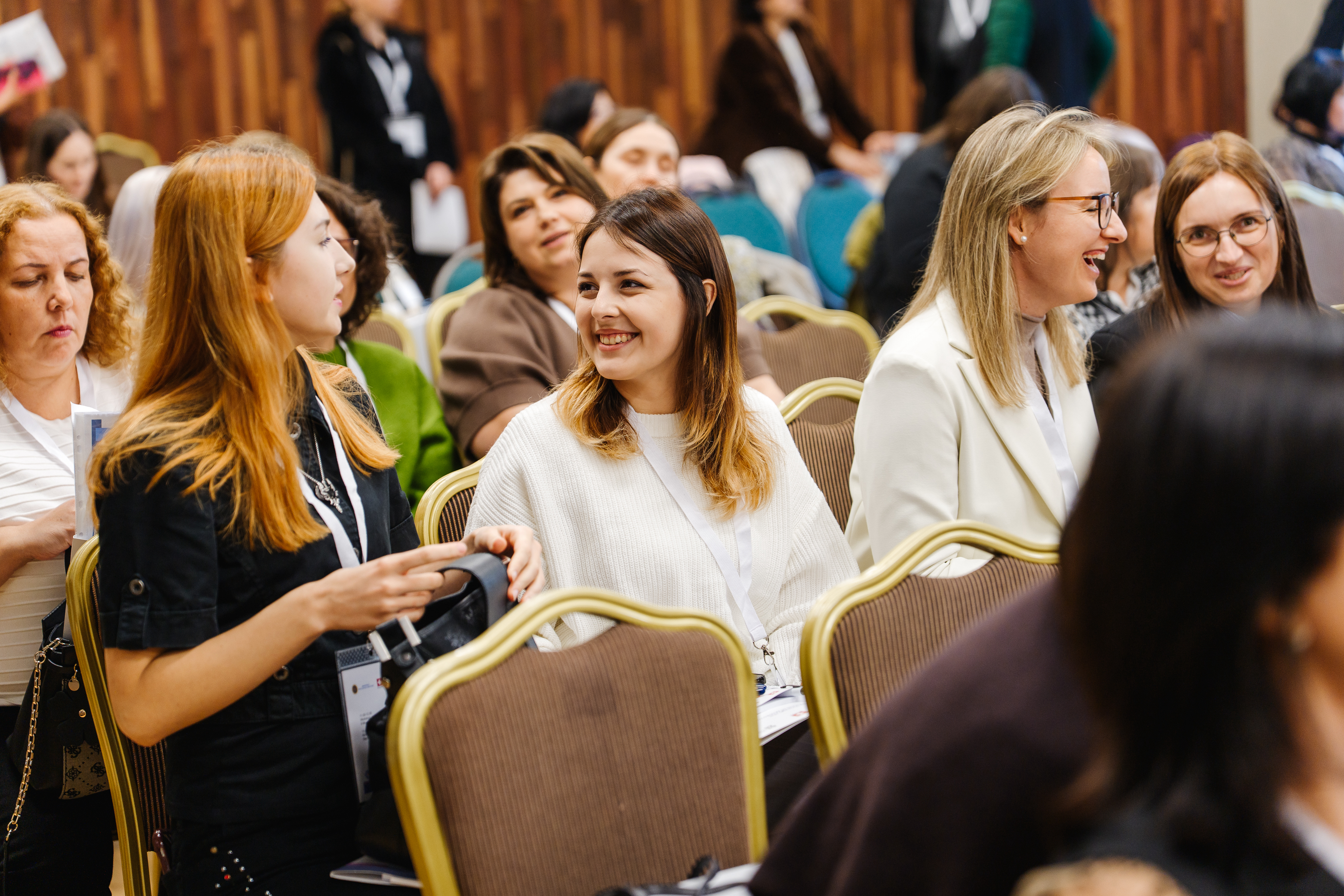
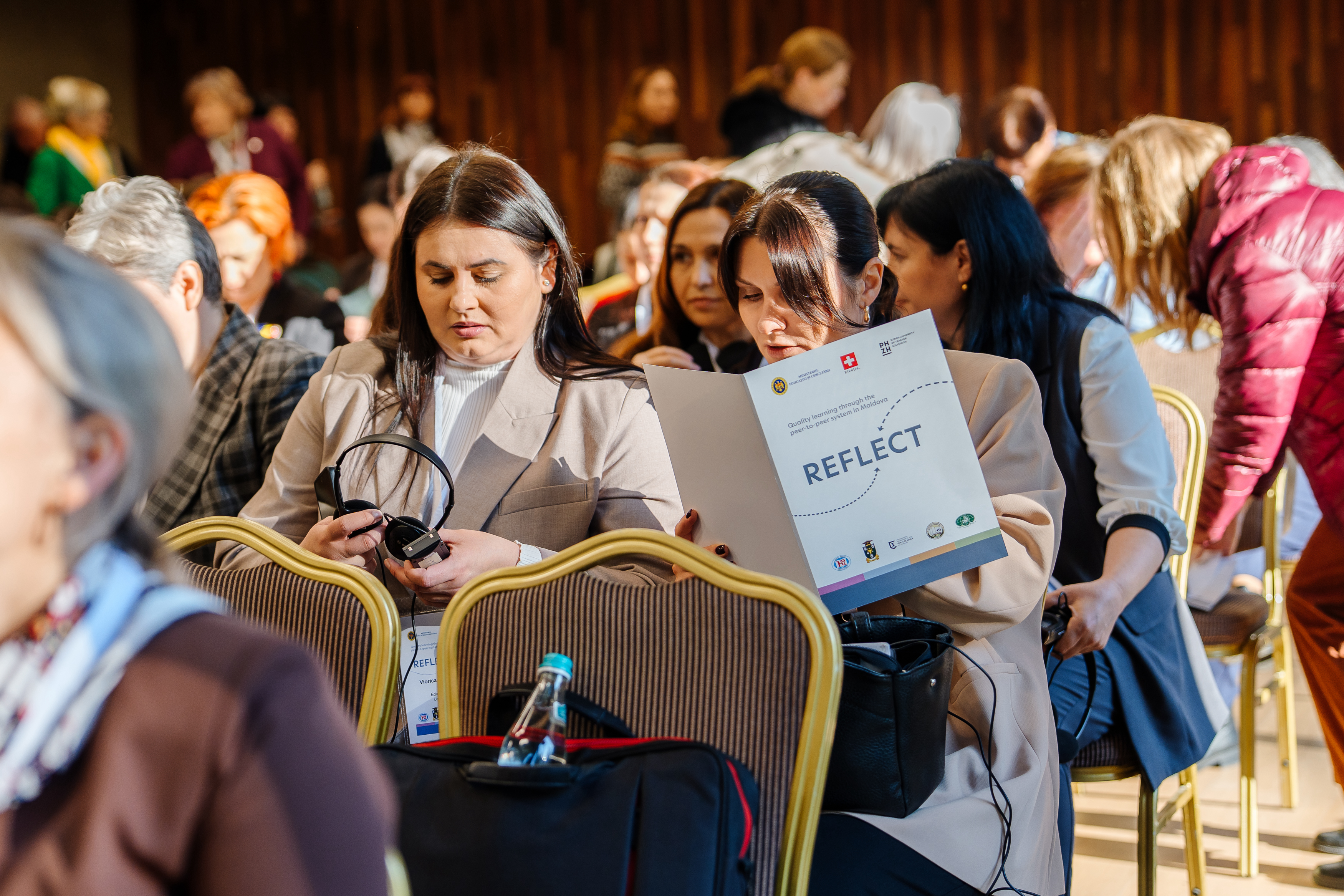
It was a busy morning on 5 November in the hotel lobby in Chișinău. More than 115 people had come for the closing conference of the project REFLECT Phase II (hereafter REFLECT). Teachers, mentors, students and inspectors from five partner universities attended, along with representatives of the Moldovan Ministry of Education and Research and the Swiss Agency for Development and Cooperation (SDC). In different workshops, the participants looked back on the project implementation and discussed the steps ahead.
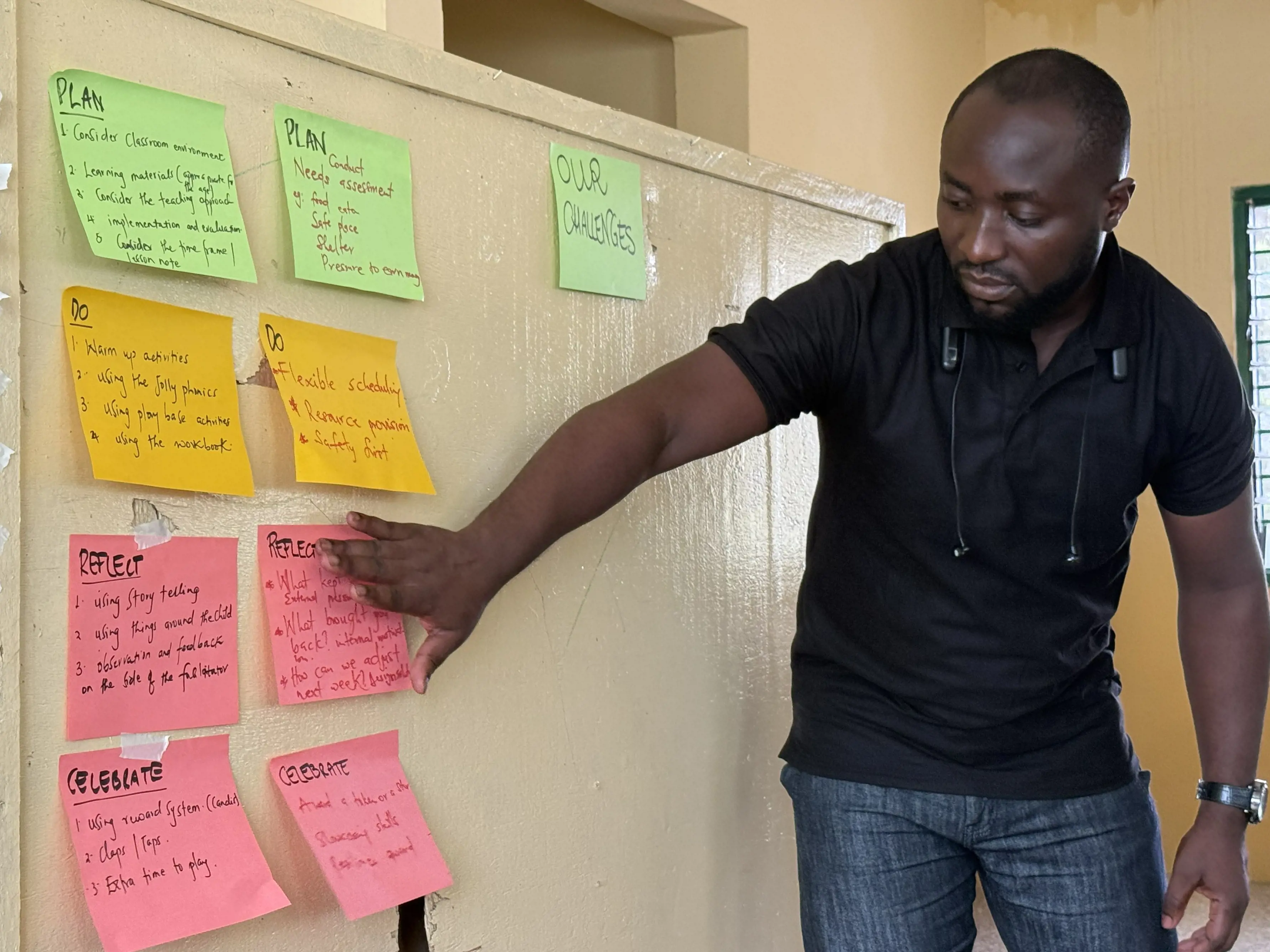
Teachers can only improve their practice if they understand its impact. This is particularly important when an education system is being reformed, as is the case in the Republic of Moldova. As teaching methods and content evolve, teachers benefit from their colleagues observing their lessons and providing feedback. Importantly, the aim of this feedback is not to offer criticism or top-down advice, but rather to encourage reflection based on sound, evidence-based principles.
To strengthen this kind of feedback culture in the education system, REFLECT was implemented in Moldova over the last four years. The project built on a pilot phase (September 2021 to August 2022), in which three Moldovan pilot schools, the Ministry of Education and Research and PH Zurich’s Department for International Projects in Education worked closely together to develop practice-oriented manuals for different target groups. In the following years, a number of workshops took place to train lecturers and integrate peer learning in the curricula of the participating universities, eventually reaching more than 2000 students, 1748 teachers and 247 national inspectors in 36 education departments. In the spirit of REFLECT, all these steps were evaluated to ensure the sustainability of the project and the acceptance of this new education culture.
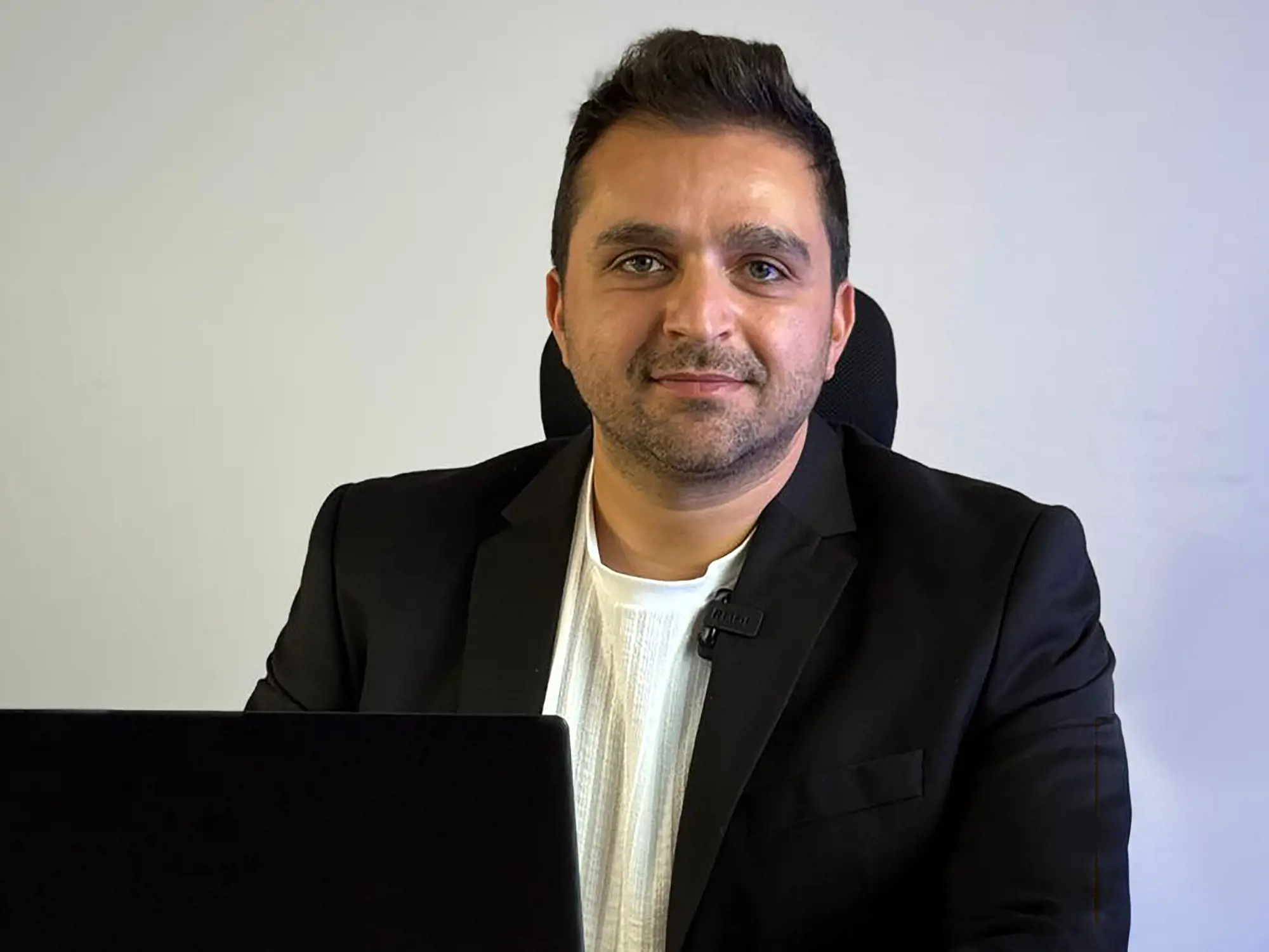
Tatiana Verdeș, lecturer and associate professor at the Ion Creangă State Pedagogical University in Chișinău, confirms that a noticeable evolution in the culture of feedback and collegial collaboration has since taken place: “Peer feedback has come to be seen not as a personal assessment, but as support for professional development and for improving the quality of teaching.” Irina Pușnei, Head of Philology, History, and Education Department at the Technical University of Moldova agrees, but notes that the change of culture takes time: “I still notice that some students hesitate or feel anxious about being observed or providing feedback. But I continually remind them that we are all part of a learning process and that the purpose of peer observation is to learn from one another, rather than to judge.”
An image gallery with 5 images follows.
While the conference celebrated the progress achieved, there is still work to be done. Irina Pușnei sees the next task in broadening the approach: “An important priority is to ensure the continued application of REFLECT principles across different educational contexts, including university teaching, peer classroom visits, teaching practice guidance and mentoring, professional development courses, and school inspectors’ observation practices.” Tatiana Verdeș adds that “we need to ensure that lesson observation and feedback remain supportive processes, based on trust and evidence, rather than instruments of control.”
The SDC has agreed to support a final project phase of REFLECT from 2027 to the end of 2028. This phase has two objectives: Firstly, it aims to develop a structured, practice-to-policy learning mechanism that will lead to national mentoring standards. Secondly, it will analyse curricula and courses at five partner universities as a basis for teacher training reforms. Both steps are meant to ensure local ownership of peer feedback and its long-lasting impact on the Moldovan education system. As Tatiana Verdeș puts it: “For a sustainable transformation it is now up to all of us to support and pass on the culture of feedback.”
More information
REFLECT is part of the SDC’s framework program Fostering Active Civic Engagement (FACE), implemented in collaboration with the Council of Europe and the United Nations Population Fund. FACE aims at contributing to an inclusive, peaceful and democratic Moldovan society with engaged citizens. The handbooks on quality teaching and feedback that were created as part of REFLECT are ready for direct use in universities and schools and are available for free in English, Romanian and Russian on the IPE-Textbooks platform.