PEER-Net : Teaching in global exchange
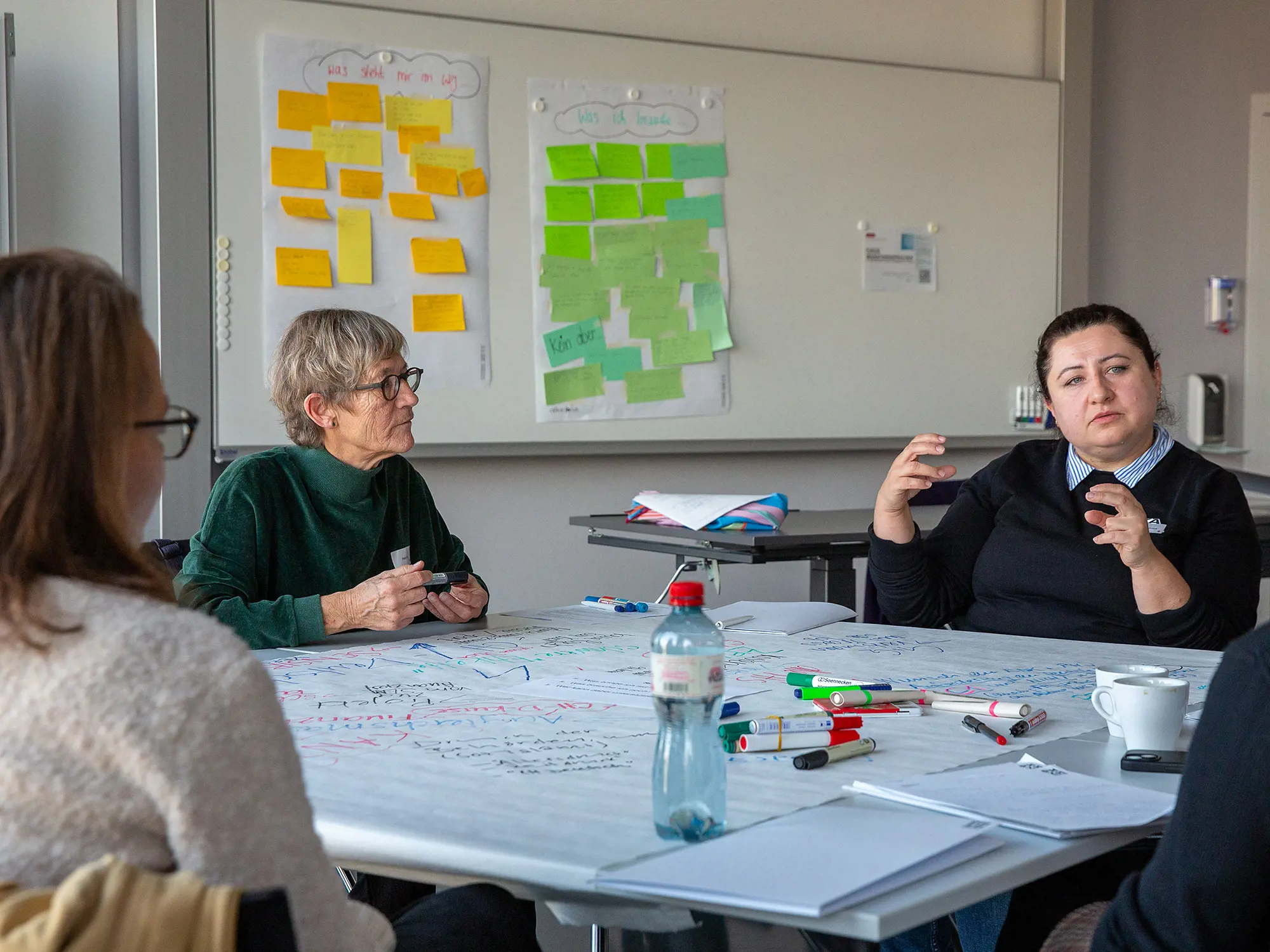
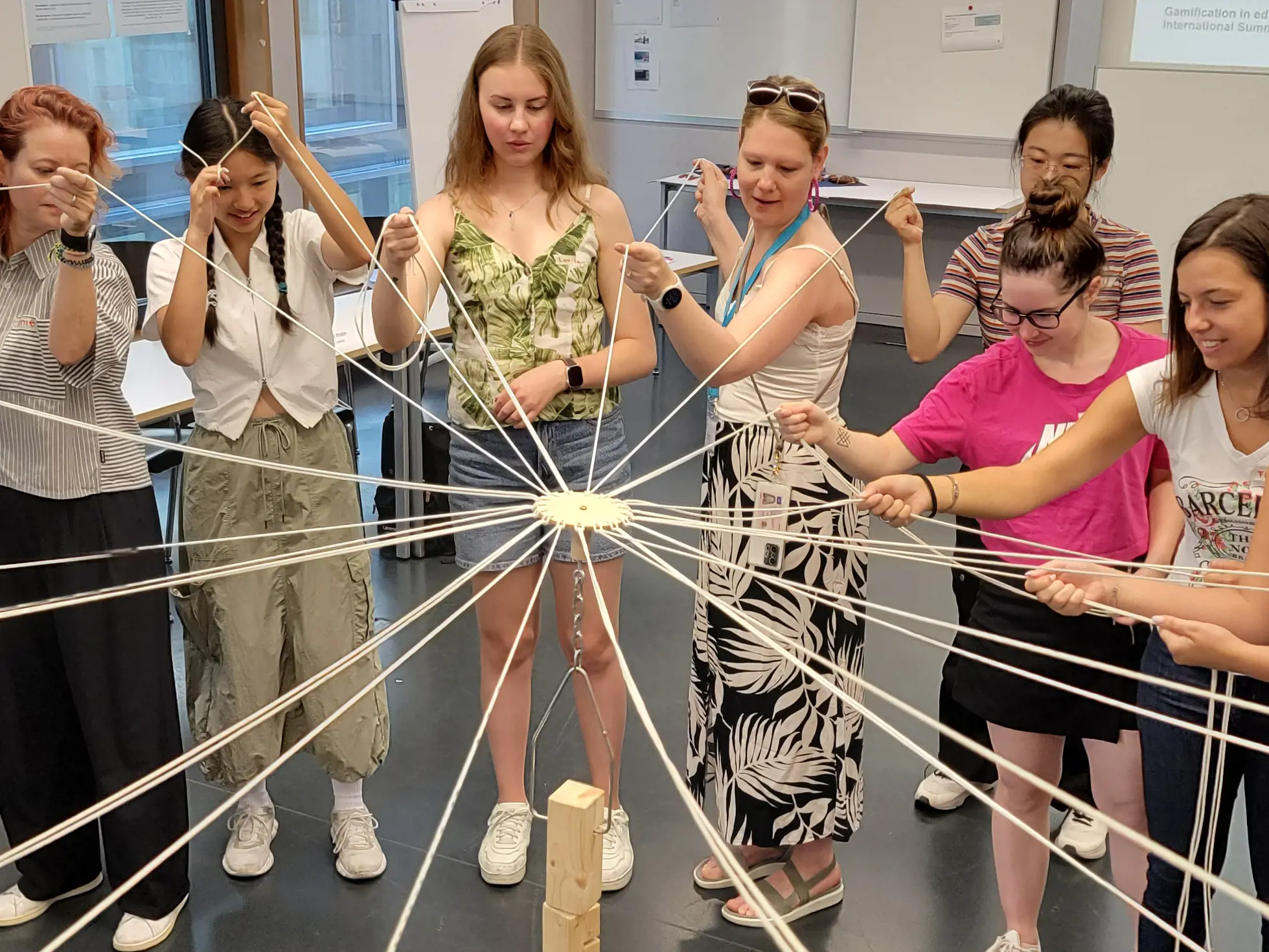
From Windisch to Assiut, from Gjakova to Zurich and from Geneva and Biel to Tunis: the first exchange visits of the project Peer Exchange Network in Teacher Education (PEER-Net) took place last week. Together with universities in Egypt, Albania, Kosovo and Tunisia, PH Zurich and four other Swiss universities of teacher education are organising modules that are attended by students from both countries. This way, teaching staff and students not only learn about other academic traditions and cultures, but also discuss together how they can improve their own teaching. At PH Zurich, the PEER module is the first course of the new elective Global Learning in the Lower Secondary Degree Programme. The aim of this elective is to promote global competences as well as to facilitate transfers between the projects of the Department for International Projects in Education at PH Zurich and the students’ future school environments.
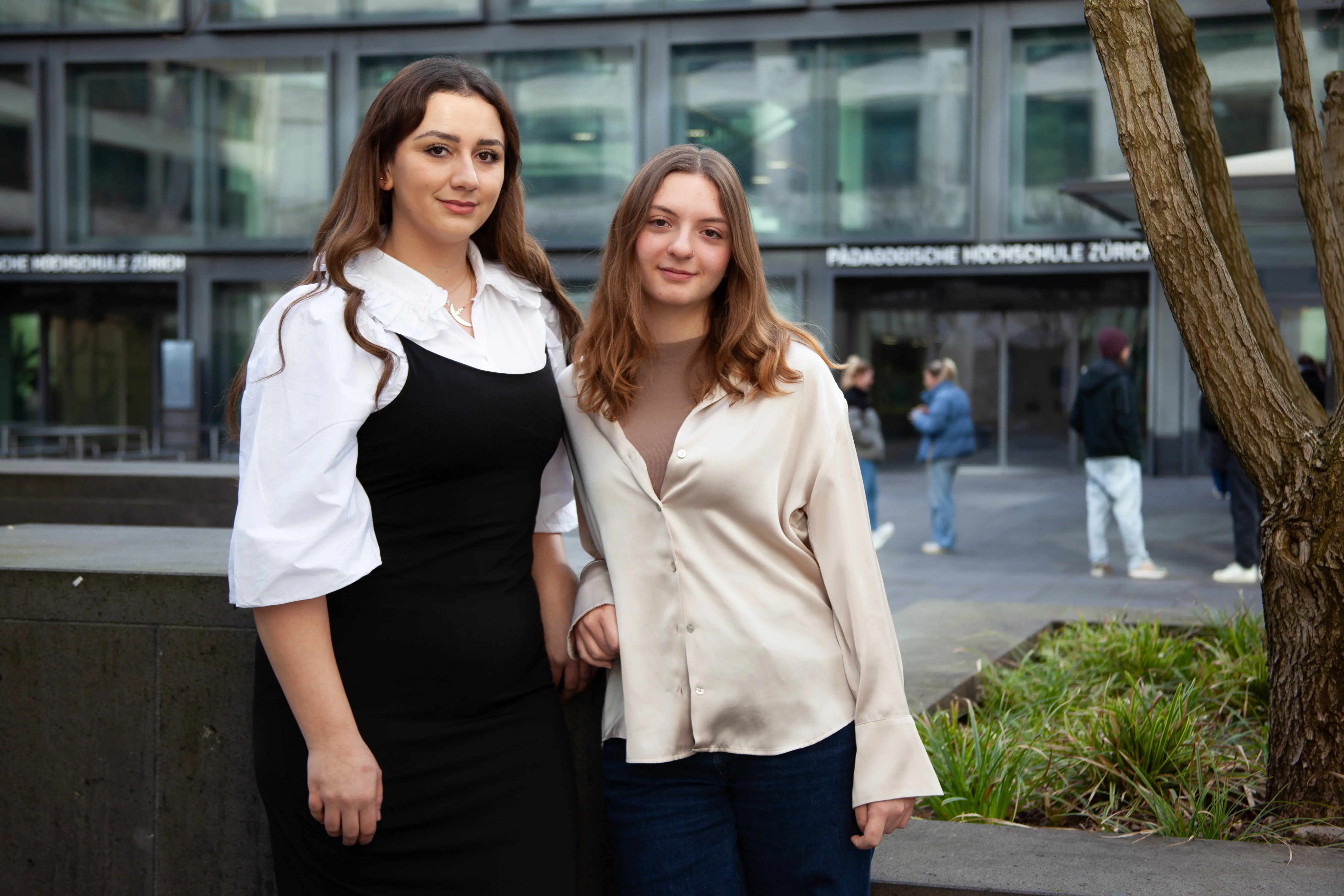
Sihana Kryeziu is in the final year of her bachelor’s degree in education at the University of Gjakova in Kosovo, while Livia Pfäffli is in the third year of the Lower Secondary Degree Programme at PH Zurich. Both attended the module Quality Dimensions of Teaching in Switzerland and Kosovo at PH Zurich last week and share their experiences here.
What was the reason you signed up for this module and what questions did you bring with you?
Sihana Kryeziu: First of all, I was wondering how the education system works in Switzerland. Moreover, at my home university we focus mainly on theory. But from my friends in Switzerland, I knew that the schools here have a more practice-oriented approach, so I was curious to see it with my own eyes.
Livia Pfäffli: Like Sihana, I was curious how the school system is different in Kosovo from Switzerland. And as a prospective secondary teacher I was wondering what the options for young people in Kosovo after school look like. So for example, what kind of careers are available. Additionally, there are a number of students in Switzerland with Kosovar roots and I saw this module as an opportunity to learn more about their cultural background.
What does good quality teaching mean to you?
Sihana Kryeziu: Good quality teaching for me is about having a strong connection to your students. As a teacher, you need to know what each student needs and where their strengths and weaknesses lie. Additionally, it is important to present the subject in a way that is accessible to the students while also listening to their inputs and feedback.
Livia Pfäffli: I think this is a very difficult question to answer. In my studies so far, we got very different answers to this question, depending on who we were talking to. In this module, we learned that good quality teaching lies in the ability to connect scientific knowledge with the students’ prior knowledge. But as Sihana said, this requires a good connection with the students first, so you actually know where the students’ knowledge level is at.
What learnings from this week will you take back to your practice?
Livia Pfäffli: By getting to know Sihana as well as the other students from Kosovo, I have a better understanding of the cultural background of some of my pupils. And I think in general, I learned more about the different cultural backgrounds pupils and parents come to school with.
Sihana Kryeziu: I have been thinking about doing my master’s degree at a university abroad, so this exchange was a great way to experience approaches to teaching that are different to what I learned so far. Particularly, I was positively surprised by some of the teaching methods in Switzerland, for example visualising a mathematical problem instead of just discussing it theoretically. So that is something I am definitely going to draw on in my own practice as a teacher.
Additional information
The module Quality Dimensions of Teaching in Switzerland and Kosovo is jointly organised by Rachel Waldvogel and Daniel Weissmüller from PH Zurich and Melinda Mula from the University of Gjakova. A second exchange will take place in June, when the Swiss lecturers and students will be travelling to the University of Gjakova in Kosovo for a week. Joint courses with universities in Egypt, Albania and Tunisia will also take place during the same semester as part of the project PEER-Net. With the support of the State Secretariat for Education, Research and Innovation SERI, the project is being coordinated by Samir Boulos and the Department for International Projects in Education at PH Zurich.