Project BTBF : Teaching and learning for the future
It’s sunny these November days in Armenia. But the atmosphere is even warmer at the Khachatur Abovyan Armenian State Pedagogical University, where the closing conference of the Better Teaching for a Better Future (BTBF) project is taking place. Over a period of four years, Corinna Borer, Wiltrud Weidinger and Rolf Gollob from the Department for International Projects in Education at the PH Zurich worked together with local universities of teacher education to develop practice-oriented modules on topics such as quality management in schools, teaching and learning approaches and mentoring programmes. The modules were adapted to local needs and successfully integrated into the national training and continuing education programmes.
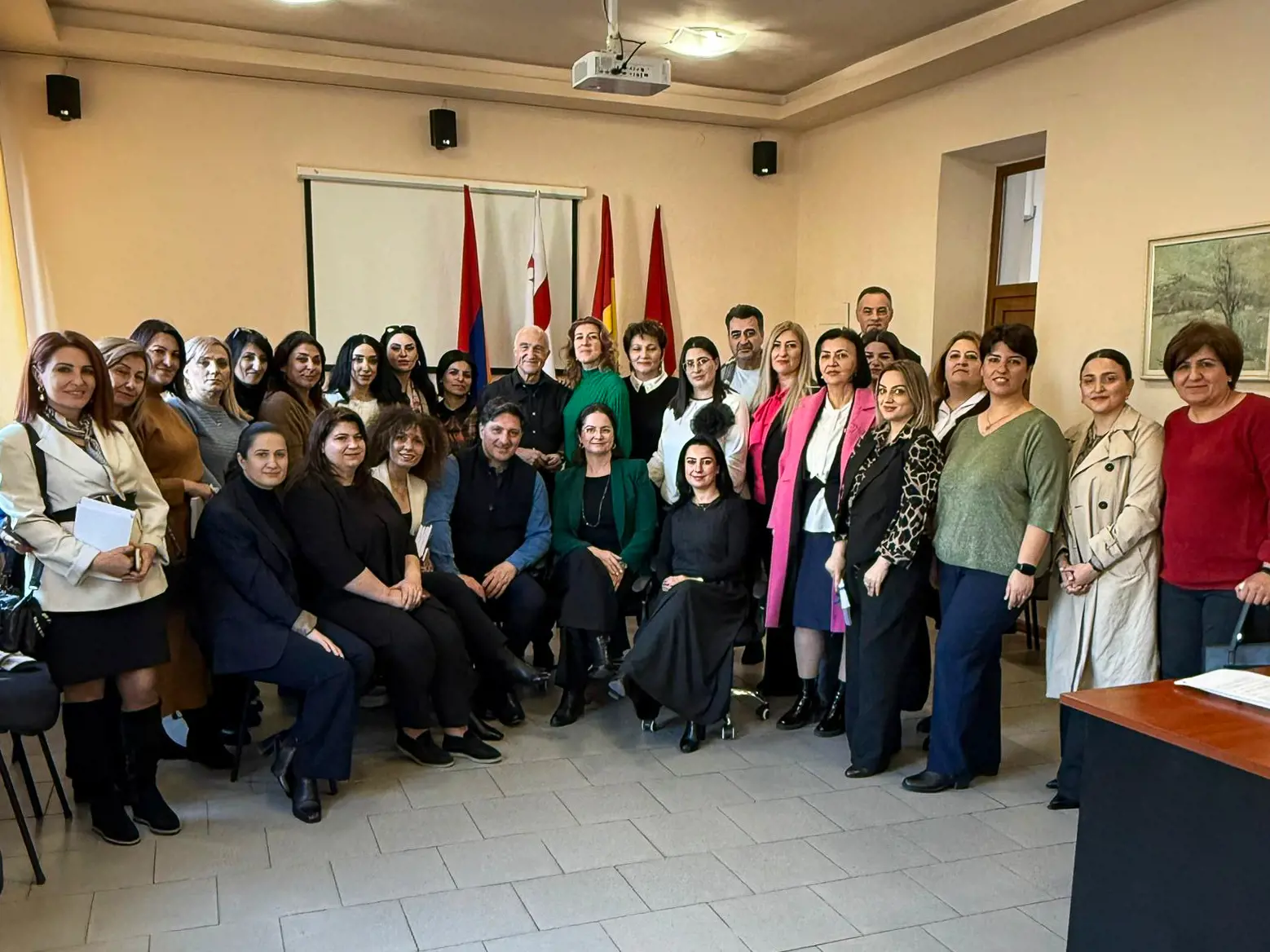
At the Khachatur Abovyan Armenian State Pedagogical University, the materials developed during BTBF became part of the teacher training reform process and are an integral part of the continuing training programmes for teachers and principals. In Georgia, the National Center for Teacher Professional Development and the Education and Research Center have adopted the modules at national level and made them accessible via digital platforms. And in the Republic of Moldova, the Ion Creanga State Pedagogical University has integrated the modules into its programmes, where they will also be used by other universities over the next two years.
While at the beginning of the project the focus was on individual implementation in each country and the pandemic made it difficult to exchange ideas, over the years a close collaboration has developed between the universities of teacher education in the three countries. For universities of teacher education, networking and knowledge sharing are essential. To that end, also the PH Zurich maintains cooperative relationships and exchange agreements with over 100 partner universities in Europe and worldwide.
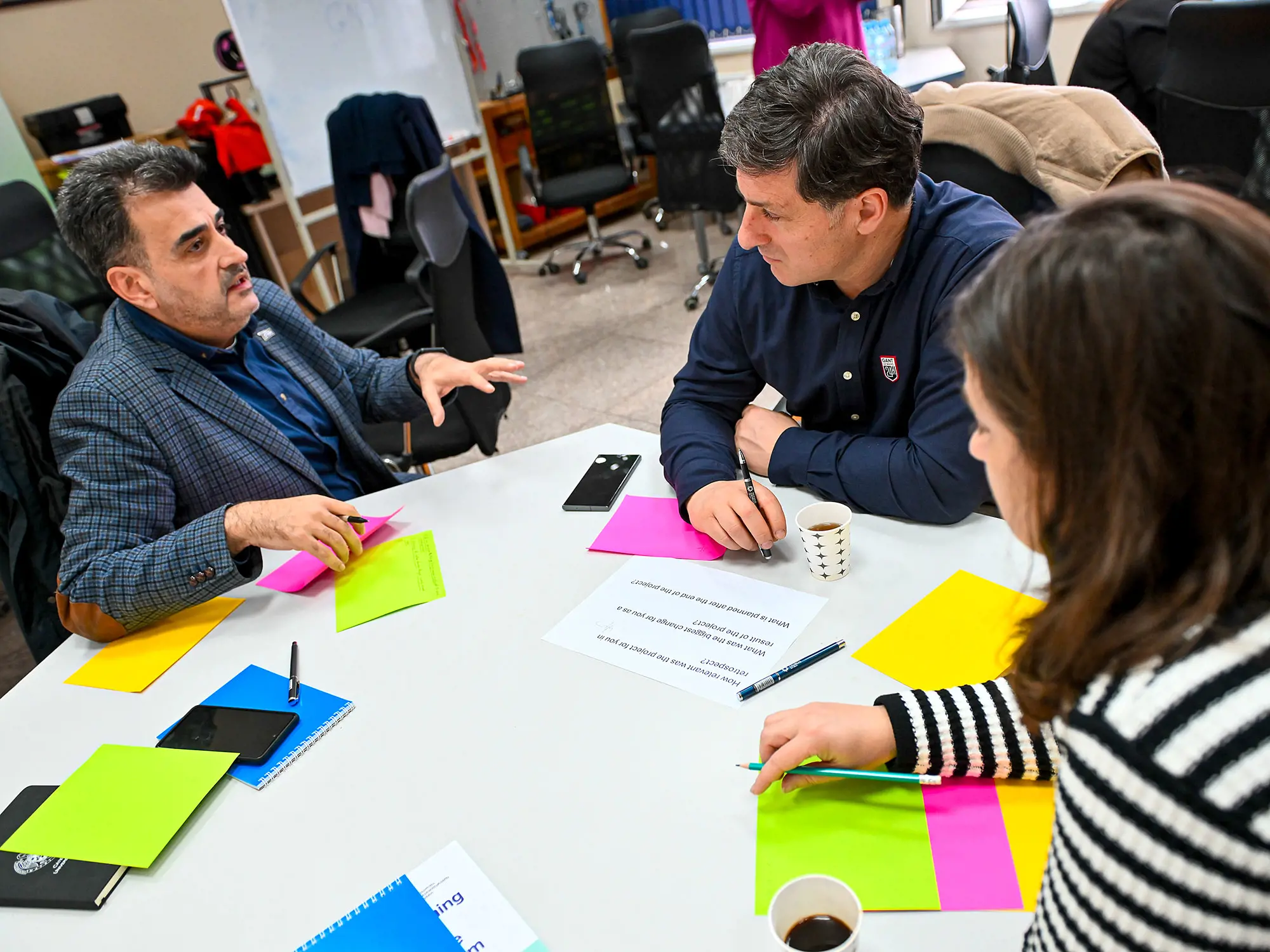
A key learning for PHZH from the project is the importance of flexibility: content must be adapted to local contexts in order to meet the needs of the target groups. And although the use of online meetings has made a significant contribution to project coordination, face-to-face dialogue remains irreplaceable. Getting to know the local context, joint discussions and the joy of working together strengthen trust and sustainability. Close cooperation with the education ministries in all three countries has also helped to embed the materials in national strategies.
The closing conference in Armenia will mark the end of the BTBF project at the end of 2024, but the results will continue to have an impact: the materials and modules developed will sustainably strengthen teacher training in the three countries and at the same time enrich training and continuing education at the PHZH. A joint success that shapes education for the future.